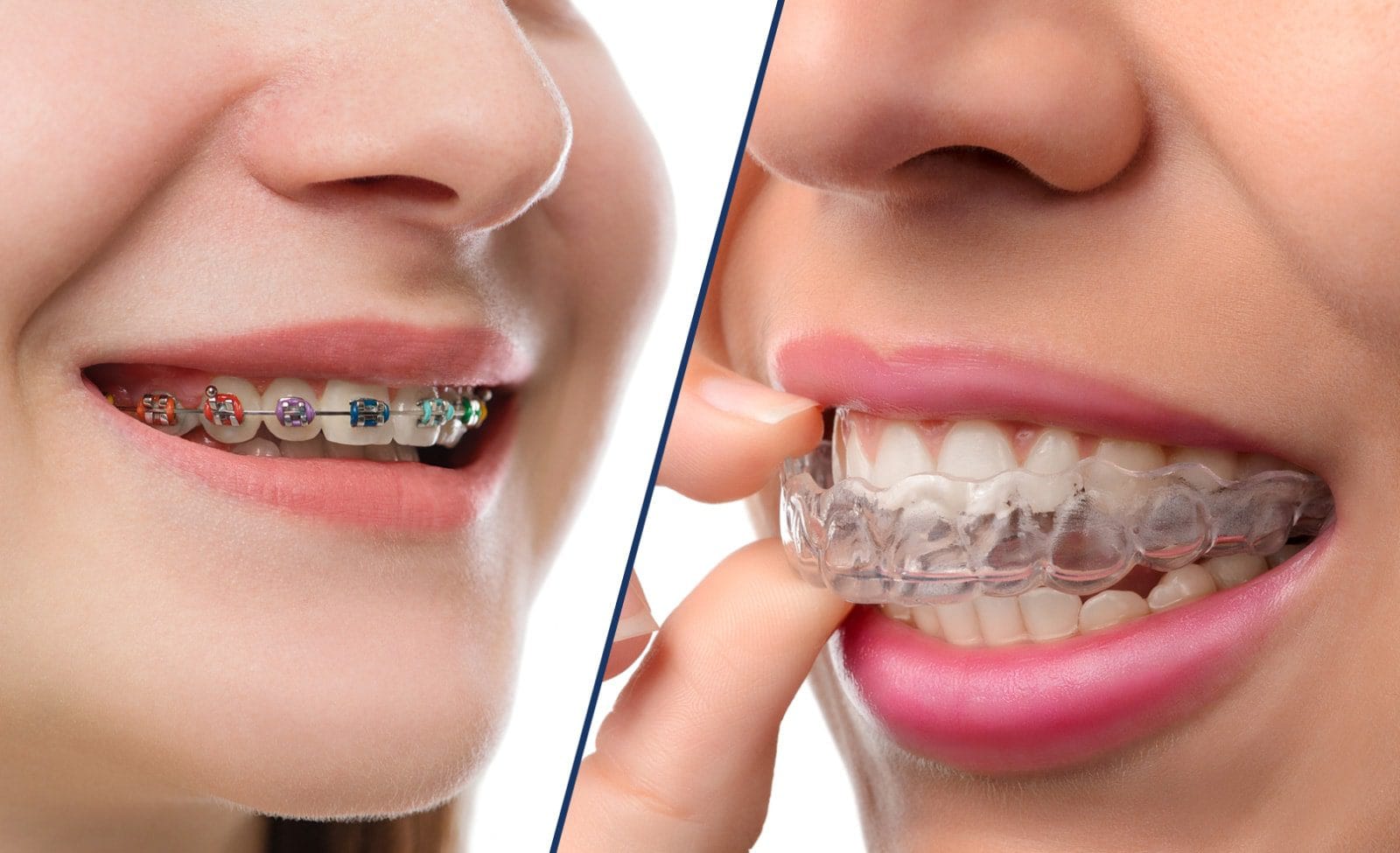
Clear aligners are usually the better fit if you value discretion, eat at set times, and can wear trays 20 to 22 hours daily, while traditional braces suit complex bite problems and anyone who knows their own discipline is unreliable. Both move teeth with sustained pressure and both work in the right hands. The decision is rarely about which is clinically superior. It is about which one you will actually stick with. Our orthodontic treatment in Kota Kinabalu covers both, and the conversation at our dental clinic in Damai almost always begins with lifestyle rather than teeth.
How Both Treatments Move Your Teeth
The aligners vs braces debate is not modern versus outdated. Teeth sit in bone held by a ligament that responds to pressure. Apply gentle, continuous force and bone resorbs on one side while new bone forms behind the tooth. This is biology, not engineering, and it caps how fast anything can work. Anyone promising dramatic results in weeks is treating a very minor case or overselling.
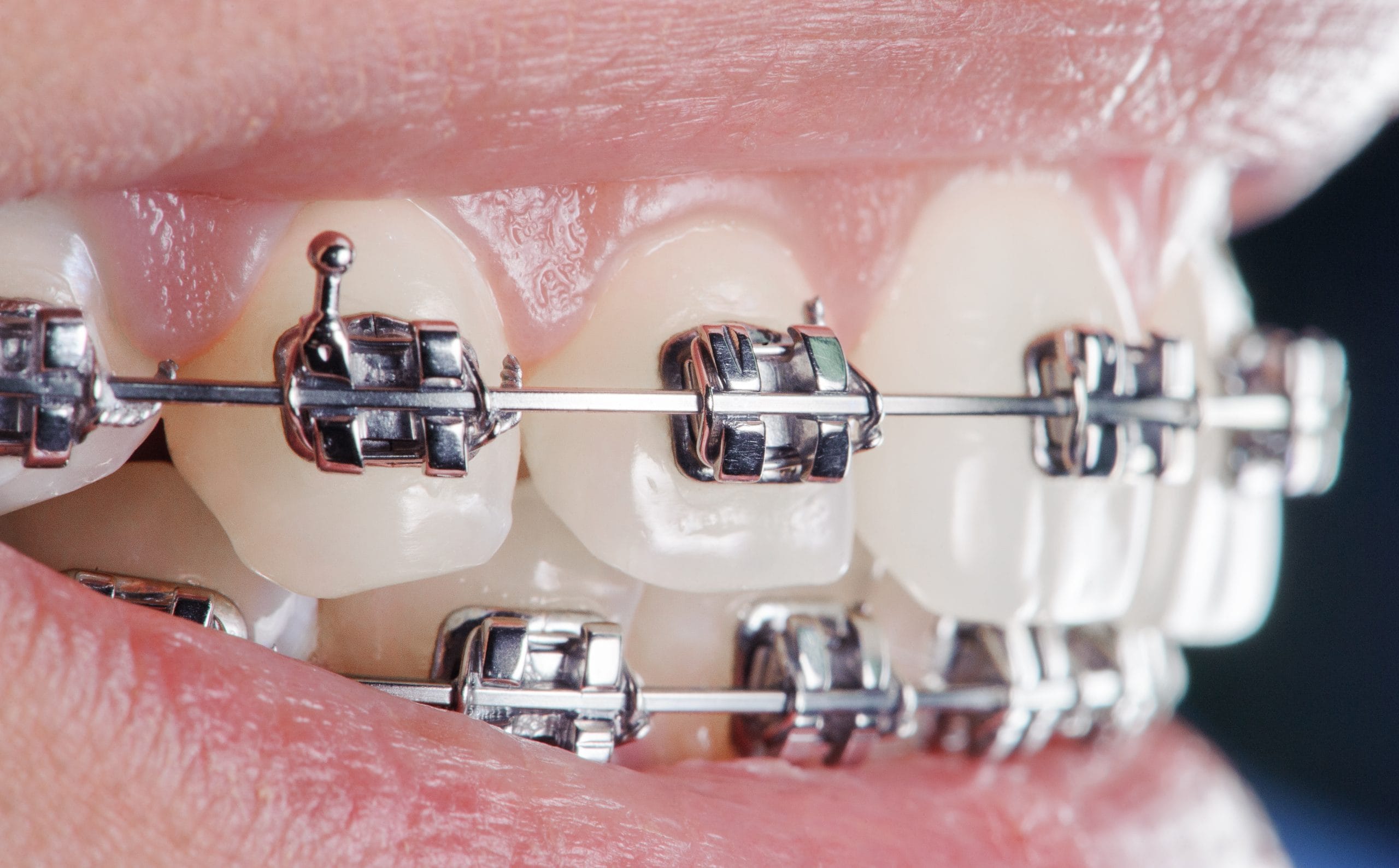
Braces apply that force through bonded brackets and a wire that drags teeth along as it straightens. Aligners apply it through trays made slightly out of position relative to your current teeth. The difference is control and consistency, which is where your habits enter.
Comfort, Honestly Answered
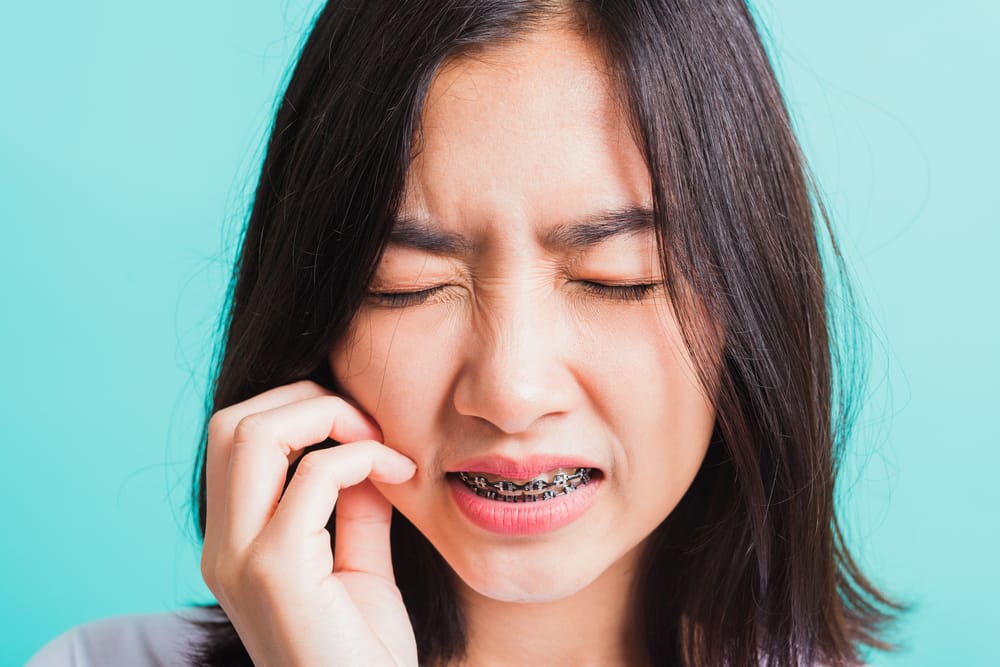
Both hurt. With braces the first week is hardest, because brackets sit against the inside of your lips and soft tissue needs seven to ten days to toughen. After each wire adjustment, expect two to three days of dull ache. The pain is periodic and predictable.
Aligners feel tight for a day or two with each new tray, then ease. Changing trays weekly means smaller discomfort peaks more often rather than larger ones less often. There are no brackets, so no cheek ulceration, though the bonded attachments that grip the trays feel rough at first. Aligners win here for most people, but the gap is smaller than marketing suggests and it closes after the adjustment period.
The Discretion Factor and Whether Anyone Notices
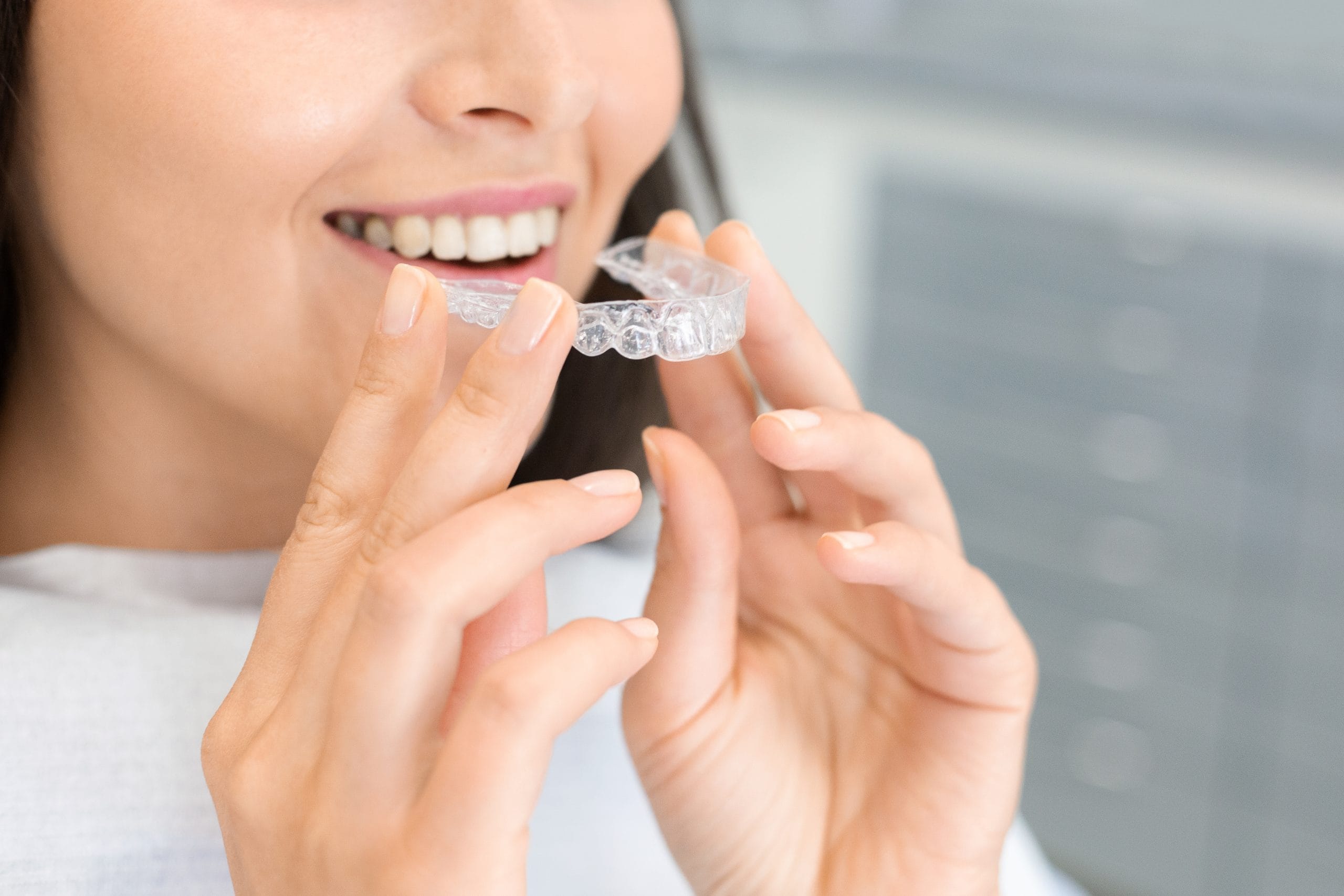
Clear Aligners in Real Life
At conversational distance they are close to invisible, and colleagues in a meeting rarely spot them. The caveat is staining. Drink coffee or teh tarik while wearing them and the plastic discolours within days. This is entirely within your control, and it is the most common reason patients complain their invisible aligners are visible.
Traditional Braces in Real Life
Metal braces are noticeable. Ceramic brackets less so, but elastic ties yellow over time, particularly with curry, sambal and turmeric-heavy food.
Who This Actually Affects
A student in Kota Kinabalu with friends who also have braces will not feel worried about their teeth. A twenty-eight-year-old who meets clients every week might feel anxious. The fear of looking imperfect can be costly.
Many adults delay fixing their teeth for years because they do not want to feel anxious about how they look. It is a concern that affects many people. The pressure to look perfect can hold them back from getting the help they need.
Eating, Hygiene and the Reality of Malaysian Food
The Braces Food List

Hard, sticky and chewy foods break brackets, so take care with keropok, kacang, ice, sugarcane and dodol. Chicken off the bone becomes chicken cut off the bone. A broken bracket means an unscheduled visit, and over an eighteen to thirty month treatment most patients break at least one. Brackets also create dozens of new places for plaque to gather. Neglect interdental brushing and you get white decalcification marks where the brackets sat, permanent and visible for life.
Aligners and the Twenty-Two Hour Maths
Aligners have no food restrictions because you remove them to eat, and your teeth stay easy to brush. The trade-off is understated. Twenty-two hours of wear leaves two hours for all eating, drinking and cleaning combined, and every meal needs removal followed by brushing before the trays go back in. Breakfast, lunch, dinner and one teh tarik consume most of that budget. People who eat three defined meals do fine. People who graze do not.
Sabah’s humidity matters too. Warm, moist plastic grows bacteria fast, and trays left in a hot car warp beyond use. Clean them daily with a soft brush and cool water, never hot.
Where Both Treatments Need Support
Treatment intensifies your existing oral health baseline, and gum inflammation worsens under braces rather than improving. That is why we assess gum treatment in Kota Kinabalu needs before starting orthodontics, and why general and preventive dentistry usually precedes any appliance being fitted.
Duration and Follow-Up Visits
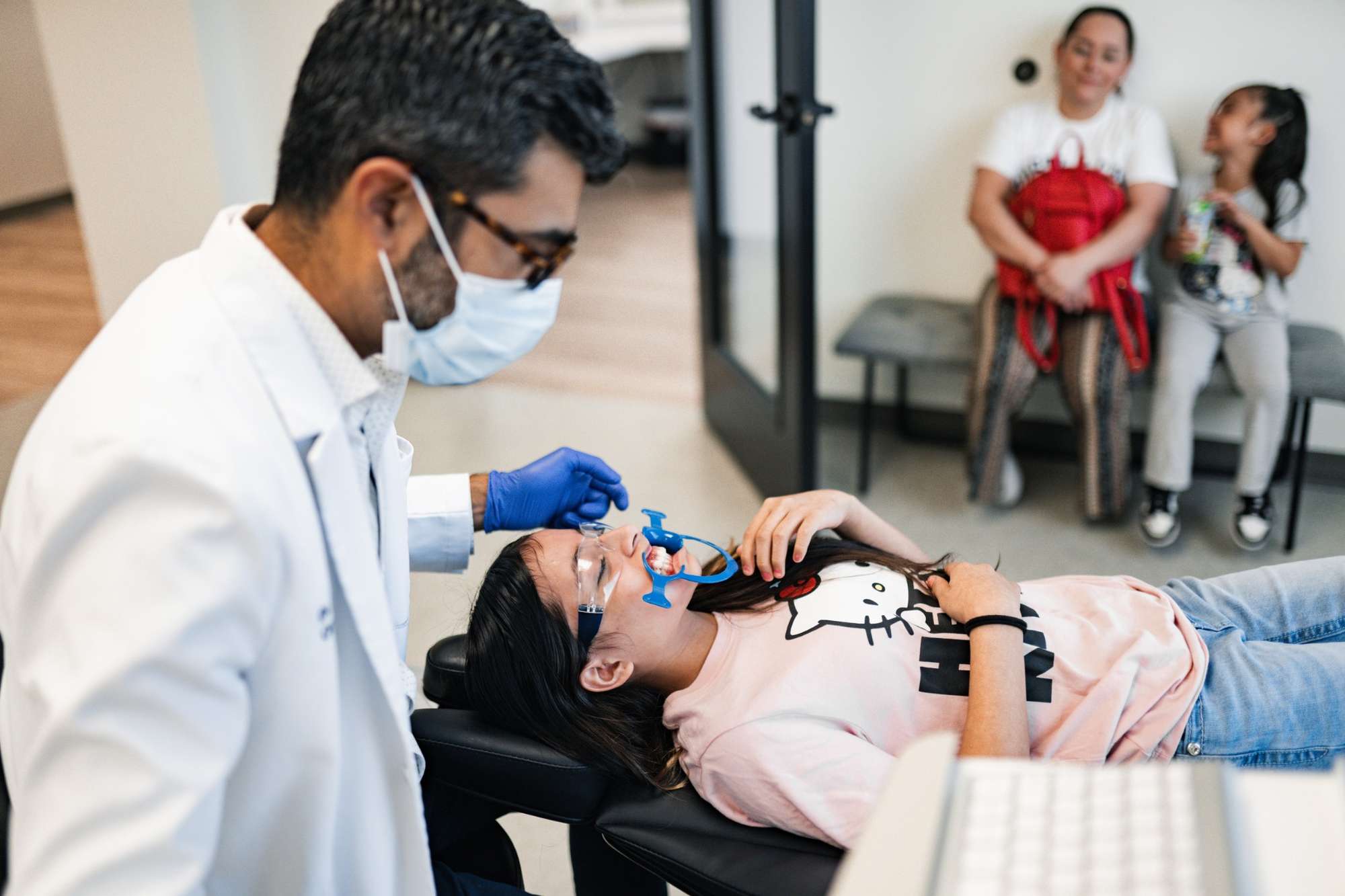
Most comprehensive braces cases run eighteen to thirty months. Braces work whether you want them to or not, which is their defining advantage. Aligners are quoted at six to twenty-four months, with Angel Aligner and Invisalign cases in Malaysia commonly landing at twelve to eighteen for moderate crowding. That timeline is a projection, not a promise.
Why Aligner Cases Overrun
Insufficient wear. Teeth fall behind the digital plan, trays stop fitting, and the case needs refinement with new scans and trays. Braces rarely overrun for compliance reasons because there is no compliance to fail at.
Why This Matters in Kota Kinabalu
Braces need in-person adjustment every four to six weeks with no remote alternative. Aligner reviews run every six to ten weeks and some check-ins work by photo. For patients travelling from Ranau, Kudat or Papar, or working offshore on rotation, this decides it. Someone on a four-weeks-on rotation cannot realistically keep a braces schedule.
How We Approach the Decision at Our Damai Clinic
We start with records, not recommendations. Photographs, a scan and radiographs tell us what is clinically possible. Only then do we discuss what is practical for you. If your case can only be treated well with braces, we say so. We work with Angel Aligner and Invisalign alongside conventional and ceramic braces, so we have no commercial reason to steer you.|