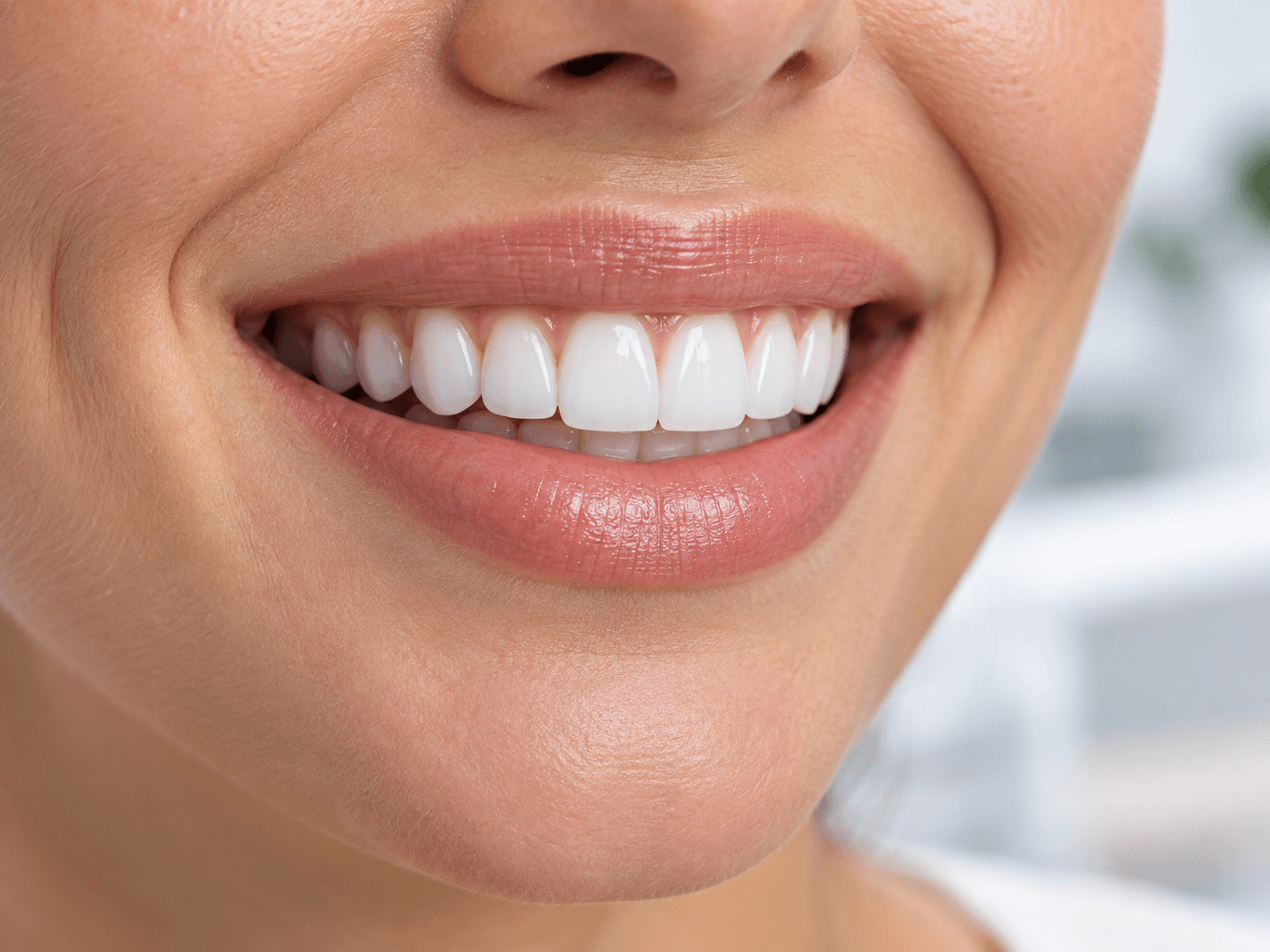
Dental veneers are thin, custom-made shells bonded to the front surface of your teeth to improve their colour, shape, size, and overall appearance, giving you a more even and natural-looking smile without altering the tooth underneath much at all. If you have ever looked in the mirror and wished your front teeth were whiter, less chipped, or just a bit more even, veneers are probably the treatment you have been reading about. At Enlight Dental in Kota Kinabalu, they are one of the most requested options within our cosmetic dentistry treatments in Kota Kinabalu, and this guide walks you through what they actually are, how the process works from start to finish, and whether they are the right fit for your teeth.
So before you book anything or fall down a rabbit hole of before-and-after photos, here is the honest breakdown.
What Are Dental Veneers?
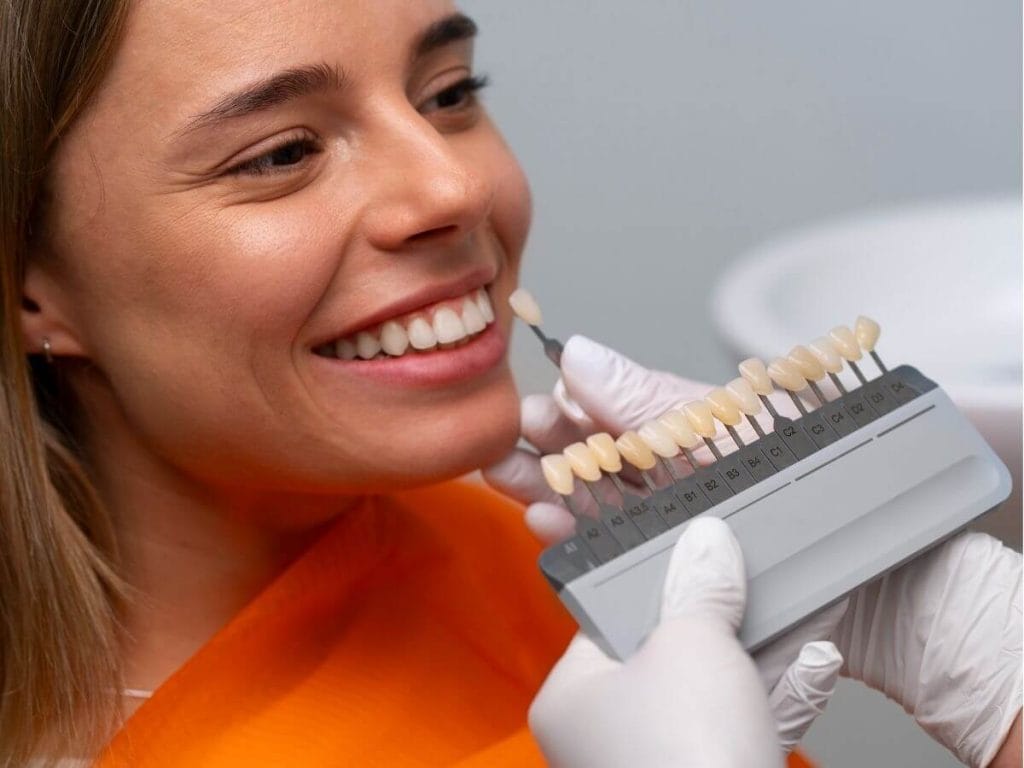
A veneer is essentially a wafer-thin cover for the front of a tooth. Picture a false fingernail, but crafted for your smile, colour-matched to look like it grew there naturally, and bonded firmly in place. Each one is shaped to sit over the visible surface of a tooth and mask whatever is bothering you underneath, whether that is a stain that whitening cannot shift, a chip, or a slightly awkward shape.
What veneers are not is a full crown. A crown wraps the entire tooth, while a veneer covers only the front face. That difference matters, because it means veneers usually involve far less alteration to your natural tooth. They are a cosmetic solution first and foremost, aimed at how your teeth look rather than fixing deep structural damage.
People tend to consider them for a handful of common reasons, and it is worth understanding each one properly rather than lumping them together.
Stubborn Discolouration
Some stains simply do not respond to whitening. Teeth darkened by old root canal treatment, certain medications, or deep internal staining can stay grey or yellow no matter how many whitening sessions you try. Veneers cover the surface entirely, so the colour you see is the veneer’s shade, not the tooth beneath it. For patients whose discolouration runs deeper than surface stains, our professional teeth whitening in Kota Kinabalu is often tried first, and veneers become the option when whitening alone cannot get there.
Chips, Cracks, and Worn Edges
Front teeth take a surprising amount of wear over the years, and small chips or worn-down edges are common. A veneer restores the shape of the tooth so the edge looks whole and even again, which is often more predictable than trying to build up a badly worn tooth in other ways.
Gaps and Minor Spacing
Small gaps between the front teeth can be closed with veneers by very slightly widening the teeth on either side of the space. This appeals to people who do not want braces or aligners just to close one or two modest gaps. It is worth noting this suits minor spacing, not significant alignment problems, which are better handled through orthodontics.
Uneven Shape or Size
If some teeth are shorter, narrower, or just shaped differently to their neighbours, veneers can bring them into proportion. Because each veneer is individually crafted, the aim is a set of front teeth that look balanced together rather than mismatched.
How Do Veneers Work? The Process Step by Step
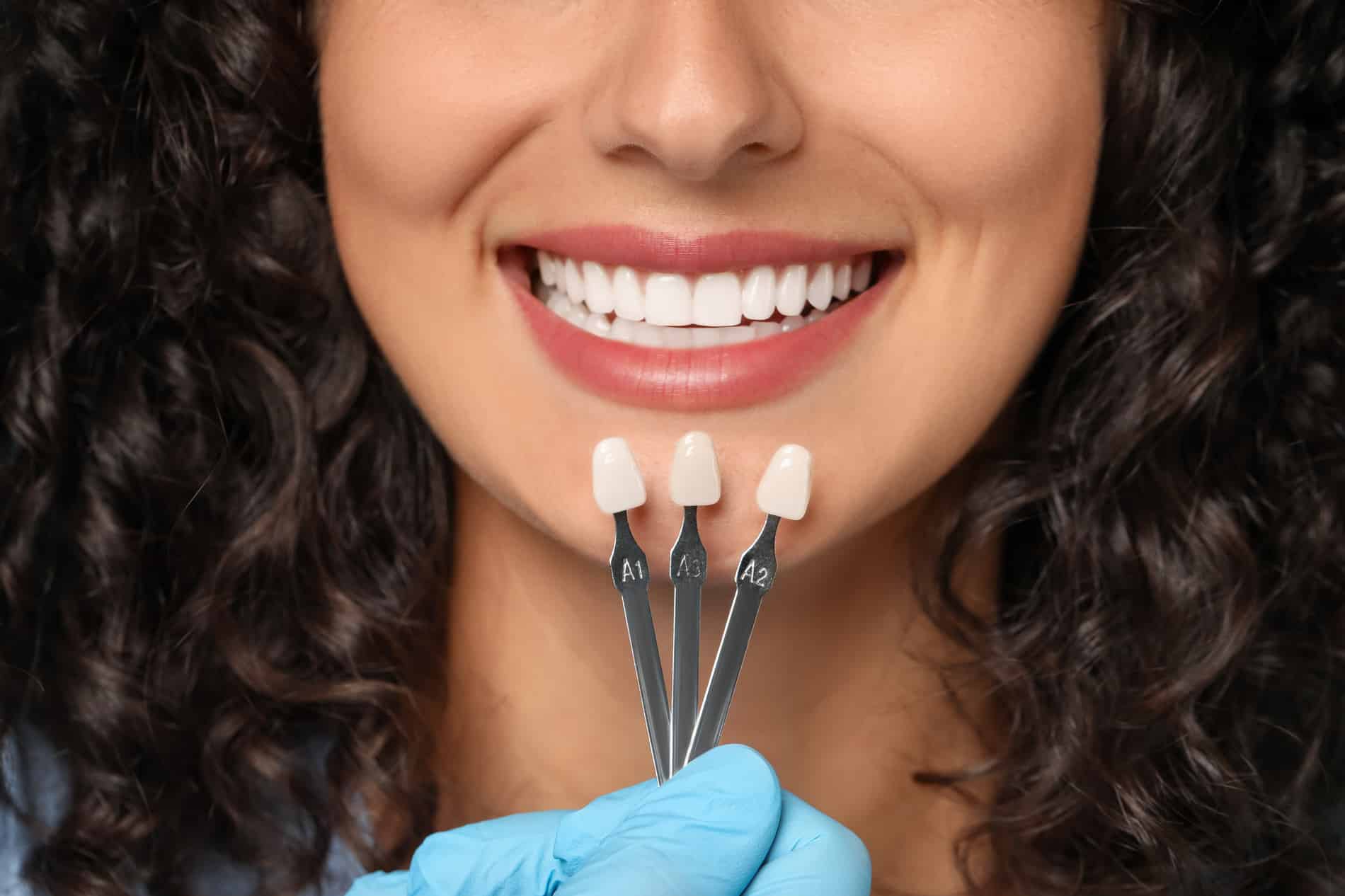
The short answer is that getting veneers usually takes two to three visits, moving from a planning consultation, to preparing the teeth and taking impressions, to bonding the finished veneers in place. Here is what each stage actually involves so there are no surprises.
Step One: Consultation and Smile Assessment
Everything starts with a proper look at your teeth and a conversation about what you want to change. A dentist checks the health of the teeth and gums first, because veneers should only go onto a healthy foundation. If there is decay or gum inflammation, that gets addressed before any cosmetic work begins.
This is also where expectations get set honestly. You talk through shade, shape, and how many teeth to treat, and a good dentist will tell you if veneers are not the best route for your particular case rather than selling you something that will not deliver.
Step Two: Tooth Preparation
For traditional porcelain veneers, a very small amount of enamel is usually removed from the front of the tooth, often less than a millimetre, to make room for the veneer so it sits flush and does not look bulky. This step is what makes the result look natural rather than stuck-on.
Because a little enamel is reshaped, this part is generally considered irreversible, which is exactly why the planning stage matters so much. Your dentist may use a local anaesthetic to keep you comfortable, though many people find this stage more straightforward than they expected.
Step Three: Impressions and Temporary Veneers
Once the teeth are prepared, an impression or digital scan is taken and sent to a dental laboratory, where your custom veneers are made to the agreed shade and shape. This is the part that takes time, since skilled lab work is what separates a natural result from an obvious one.
While you wait, temporary veneers may be placed so you are not walking around with prepared teeth in the meantime. These give you a preview of the look and protect the teeth until the final set is ready.
Step Four: Bonding the Final Veneers
At the final visit, the dentist checks the fit and colour of your permanent veneers before bonding them. They are placed against the teeth first so you can see them, and adjustments to shape or shade matching are made as needed.
When everything looks right, each veneer is bonded to the tooth using a strong dental adhesive, often cured with a special light to set it firmly. A final polish and a check of your bite finishes the process, and you walk out with your new smile.
Types of Dental Veneers
Not all veneers are the same, and the material makes a real difference to appearance, longevity, and cost. The two you will most often hear about are porcelain and composite, and understanding the trade-offs helps you have a more useful conversation with your dentist.
Porcelain Veneers
Porcelain veneers are thin ceramic shells crafted in a dental laboratory and bonded to the tooth. They are prized because ceramic reflects light in a way that closely mimics natural enamel, so they tend to look highly realistic. Porcelain is also resistant to staining, which helps the colour stay consistent over time.
The trade-off is that they usually require the traditional preparation process, take more than one visit, and sit at a higher price point because of the lab craftsmanship involved. For many patients wanting a long-lasting cosmetic change to the front teeth, porcelain remains the benchmark, and it is one of the core options in our cosmetic dental services in Kota Kinabalu.
Composite Veneers
Composite veneers use a tooth-coloured resin applied and shaped directly onto the tooth, often in a single visit. Because the material is built up by the dentist rather than fabricated in a lab, the turnaround is faster and the cost is generally lower.
Composite is also more conservative in many cases, sometimes needing little to no enamel removal. The trade-off is that it is not quite as stain-resistant or as durable as porcelain over the long run, and it may need touch-ups sooner. For smaller corrections or a more budget-conscious approach, though, it is a genuinely useful option.
Which Type Suits You?
There is no single best veneer, only the one that fits your teeth, your goals, and your budget. Porcelain leans towards longevity and a premium finish, while composite leans towards speed, affordability, and a more conservative approach. The right call comes out of a proper assessment, not a brochure, which is the whole reason a consultation exists.
Who Are Veneers Actually Suitable For?

Veneers suit people who have generally healthy teeth and gums but want to improve the appearance of their front teeth, whether that is colour, shape, minor gaps, or worn edges. They work best as a cosmetic enhancement on a stable foundation, not as a fix for underlying dental problems.
They are less suitable for anyone with active tooth decay or gum disease, which needs treating first, and they may not be ideal for people who grind their teeth heavily, since that can shorten the lifespan of the veneer. Significant crowding or bite issues are usually better addressed with orthodontic treatment before, or instead of, cosmetic work. The only way to know for certain which camp you fall into is a clinical assessment, where a dentist looks at your actual teeth rather than a photo.
Looking After Your Veneers
Veneers are not high-maintenance, but they do reward good habits. Brush and floss as you normally would, since the natural tooth and gum underneath still need proper care to stay healthy. Avoid using your front teeth as tools for opening packaging or biting hard objects, as that is a common way chips happen.
If you grind your teeth at night, a nightguard is worth discussing, because it protects both your veneers and your natural teeth. Regular dental check-ups let your dentist keep an eye on the veneers and the teeth around them, which helps your investment last as long as possible.