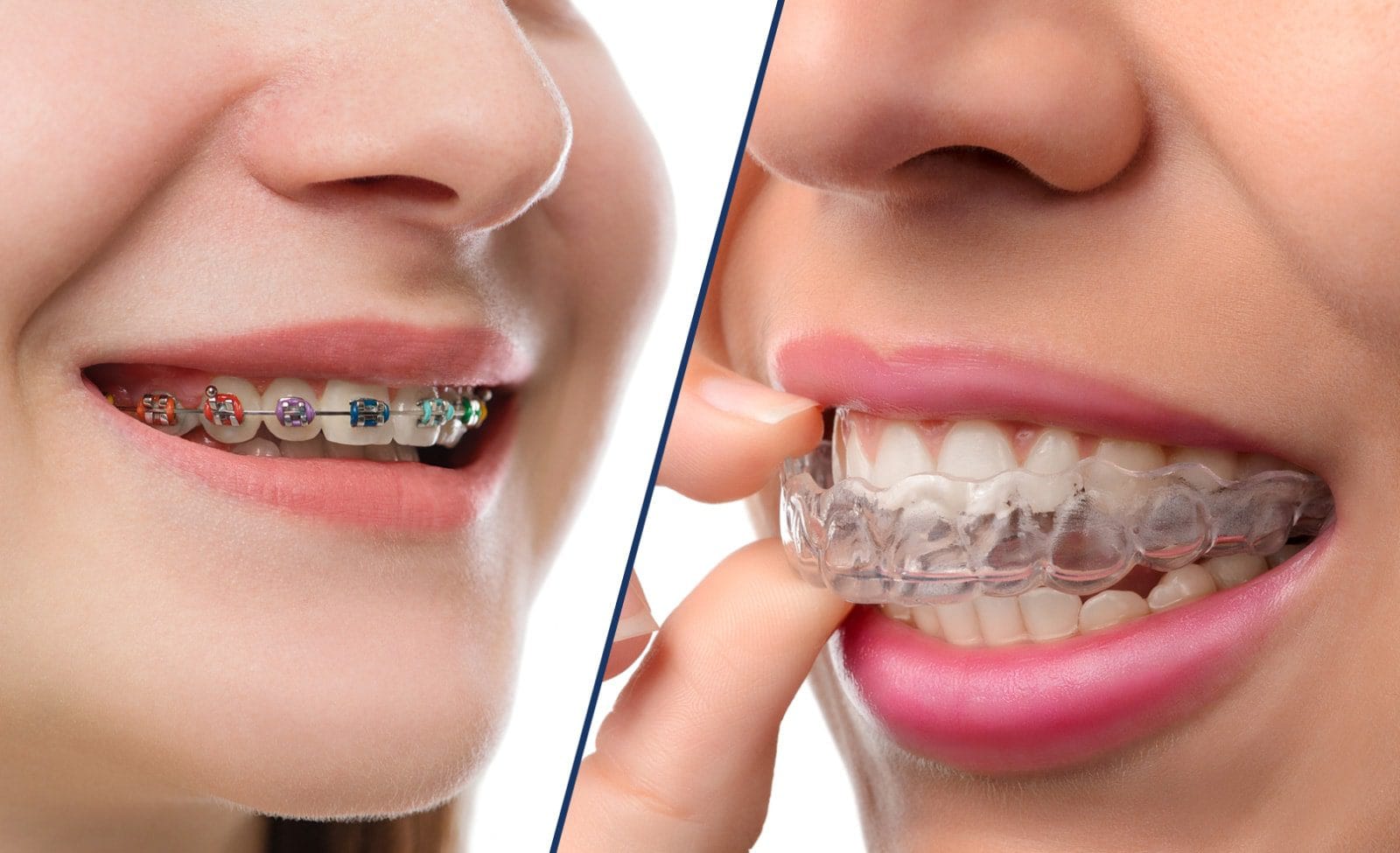
Getting braces is one of the best investments you can make in your smile, but it does come with one non-negotiable responsibility: keeping your teeth and brackets clean. If you are currently undergoing orthodontic treatment in Kota Kinabalu or anywhere else, this guide will walk you through exactly how to do it right.
Why Brushing Matters More When You Have Braces
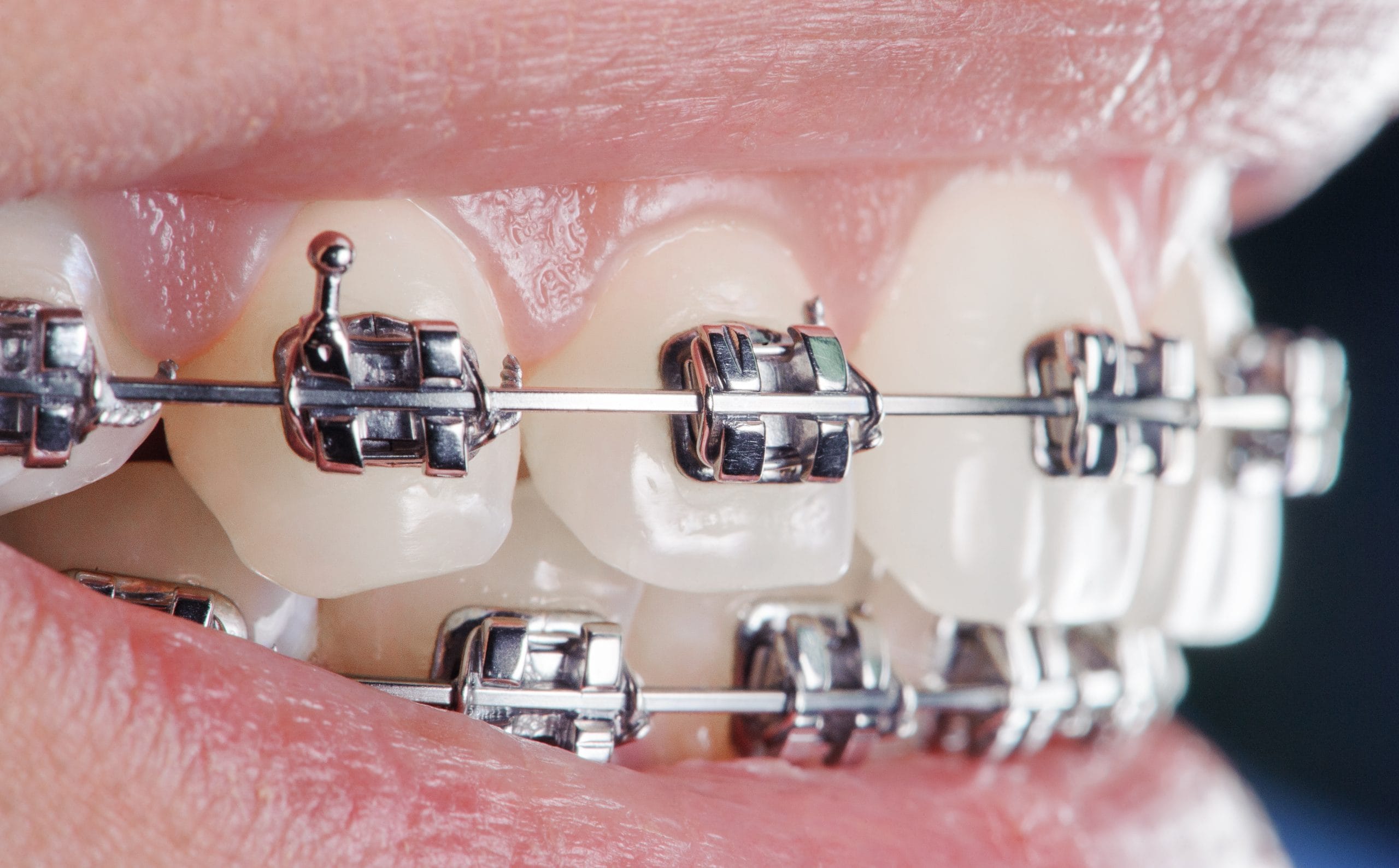
Before getting into technique, it is worth understanding why brushing with braces demands extra attention. Brackets are bonded directly to the surface of each tooth, and archwires run across them. This hardware creates small ledges, gaps, and tight spots that trap food particles far more easily than bare teeth do.
Braces create dozens of tiny spaces where food and plaque can hide. A regular brushing routine that worked fine before brackets and wires were fitted simply will not cut it anymore. The good news is that brushing teeth with braces is not complicated once you understand the technique. It just takes a little more time and the right tools.
What Happens If You Do Not Brush Your Teeth With Braces
If plaque and food debris are not removed regularly, the bacteria in your mouth produce acids that eat away at tooth enamel. Around brackets, this damage shows up as permanent white spots – a condition called decalcification. These chalky marks become visible only after the braces come off, which is often an unpleasant surprise for patients who skipped brushing during treatment.
Beyond white spots, poor oral hygiene with braces can lead to cavities forming underneath or around the brackets. Fixing a cavity while wearing braces means your orthodontist has to remove brackets, your dentist repairs the tooth, and then the brackets are reglued and wires replaced. It is a time-consuming and avoidable process.
Gum health is also at stake. Plaque buildup along the gumline can cause gingivitis – red, swollen gums that bleed when you brush. Left untreated, this can progress to periodontal disease, which affects the bone and tissue supporting your teeth. If you are noticing any early signs of gum irritation during your orthodontic treatment, it is worth booking a gum treatment consultation in Kota Kinabalu sooner rather than later.
The Right Technique: How Do You Brush Your Teeth With Braces

The core difference from regular brushing is the angle. Without braces, most people brush perpendicular to their teeth. With braces, you need to approach each bracket from multiple angles to clean above, below, and around it.
Step 1 – Rinse Your Mouth First
Before you even pick up your toothbrush, swish water around your mouth for 10 to 15 seconds. This loosens food particles stuck in and around the wires and brackets, making the actual brushing far more effective. It sounds simple, but most people skip this step.
Step 2 – Brush at a 45-Degree Angle Along the Gumline
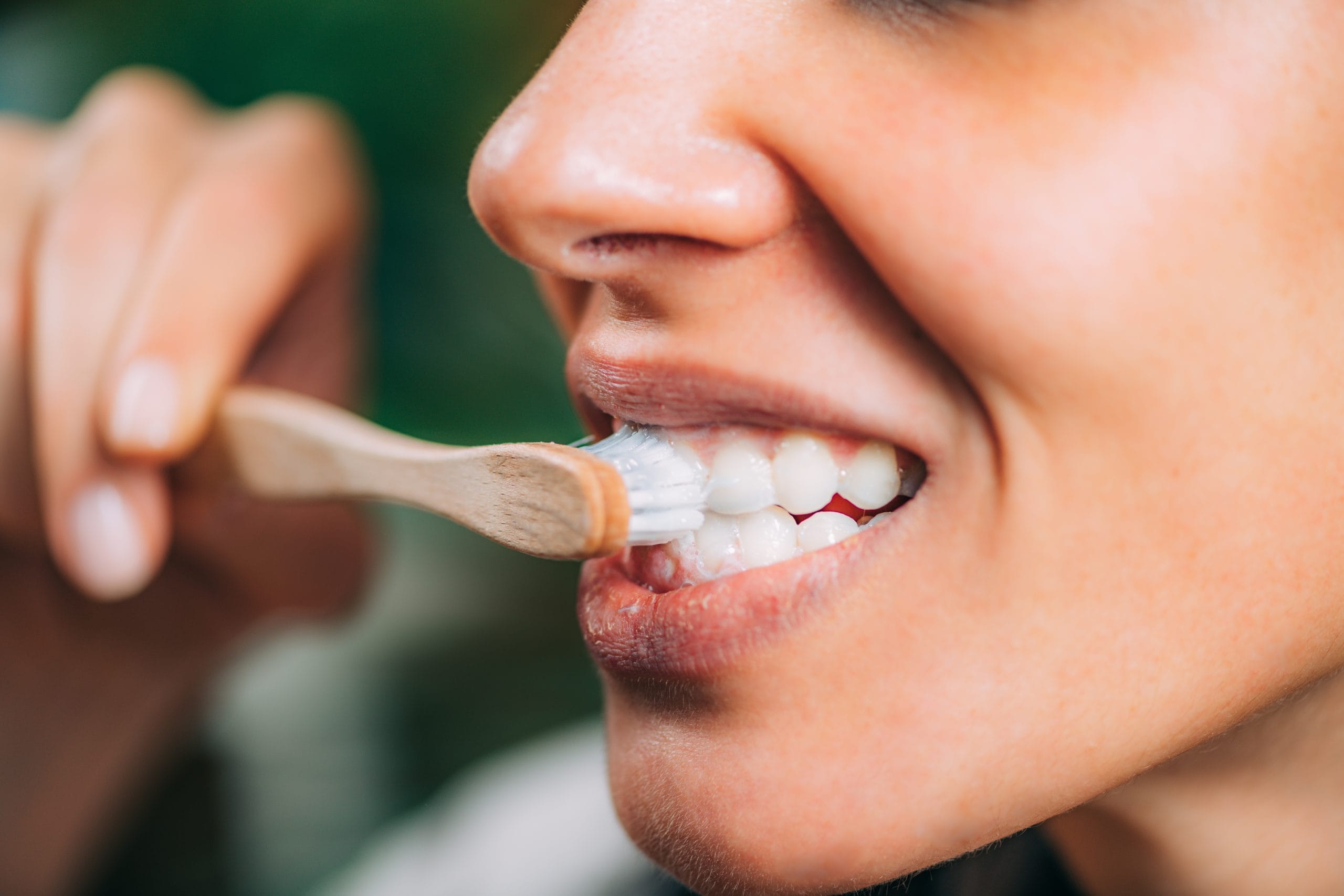
Using a soft-bristled toothbrush (manual or electric), angle the bristles at 45 degrees towards the gumline. Use gentle, short circular or back-and-forth strokes. Work your way across every tooth, spending a few seconds on each one. Start with the outer surfaces, then move to the chewing surfaces, and finish with the inner surfaces behind your teeth.
Step 3 – Clean Above and Below Each Bracket
This is the step most people rush through. Tilt the brush downward to clean the top of each bracket, then tilt it upward to clean underneath. The areas directly above and below the brackets are where plaque accumulates fastest, so take your time here.
Step 4 – Use an Interdental Brush for Tight Spots
A standard toothbrush cannot reach the narrow spaces between the wire and the tooth surface. An interdental brush – a small, cone-shaped brush that looks like a tiny bottle cleaner – slides between brackets and under wires to remove debris your regular brush misses. Use it gently with a slight twisting motion, and clean around each bracket individually.
Step 5 – Floss With a Threader or Water Flosser
Flossing with braces is trickier than without, but it is not optional. A floss threader helps you guide the floss under the archwire so you can clean between each pair of teeth. If you find traditional floss too tedious, a water flosser (oral irrigator) is a practical alternative – it shoots a pressurised stream of water between teeth and along the gumline to dislodge particles.
Step 6 – Rinse With Fluoride Mouthwash
Finish your routine with a fluoride mouthwash. This helps remineralise enamel, reduces bacteria, and reaches areas your brush and floss may have missed. It also freshens breath, which is a bonus when you are wearing braces.
Choosing the Right Tools for Brushing With Braces
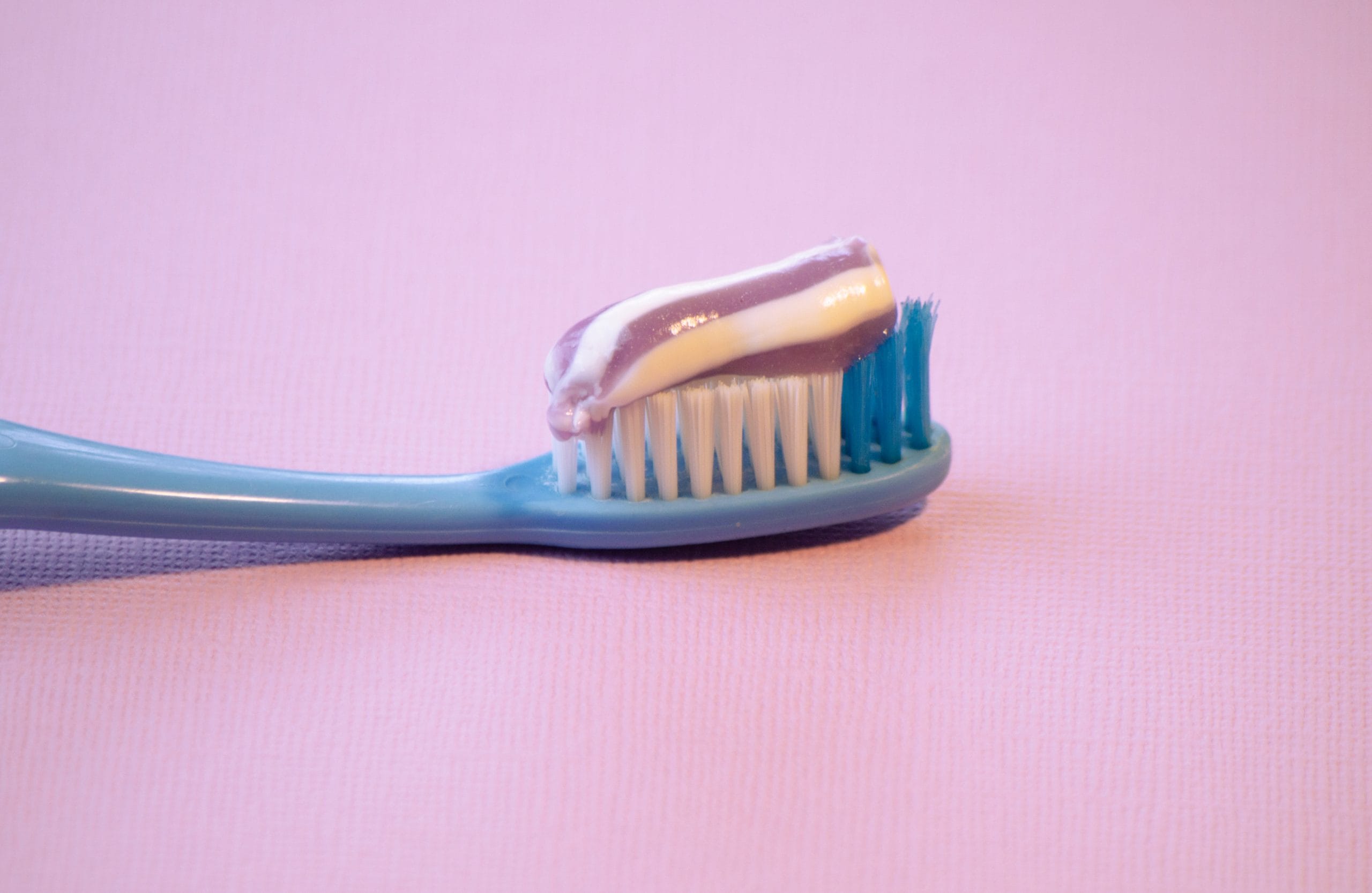
The toothbrush you used before braces may not be ideal anymore. Here is what to look for.
Toothbrush
A soft-bristled brush with a compact head works best. It is gentle on brackets and gums while being small enough to reach your back teeth. Electric toothbrushes with orthodontic-friendly heads are also a solid choice – they deliver consistent gentle strokes and often have built-in timers to help you hit that two-minute mark.
Toothpaste
Stick with fluoride toothpaste. Fluoride strengthens enamel and helps prevent the cavities that braces wearers are especially prone to. Avoid whitening toothpastes during treatment – they can lighten the exposed tooth surface unevenly, leaving visible patches once brackets are removed.
Interdental Brushes and Floss Threaders
These are not optional extras. They are essential tools for anyone wearing braces. Keep a set in your bag so you can clean up after meals even when you are away from home