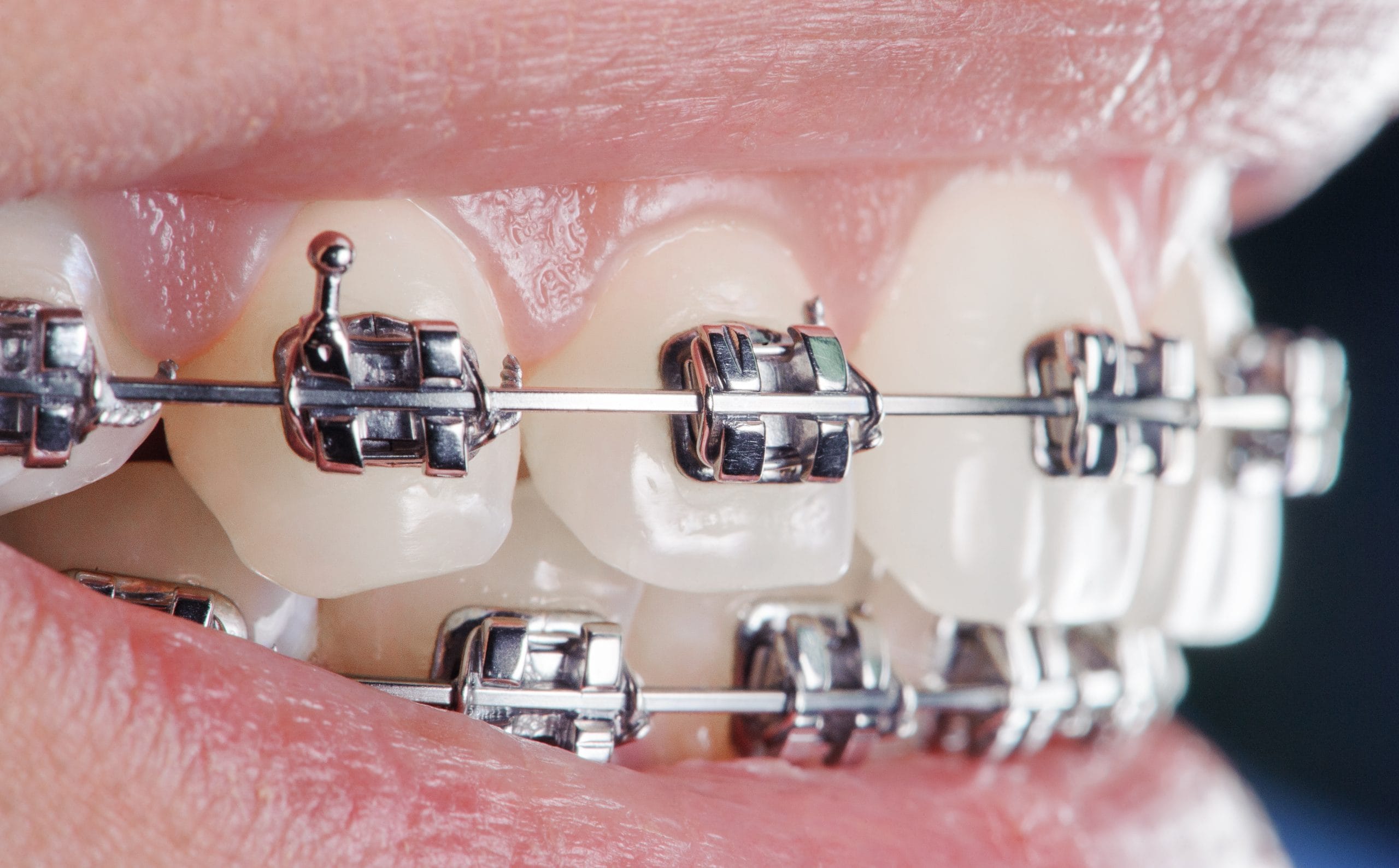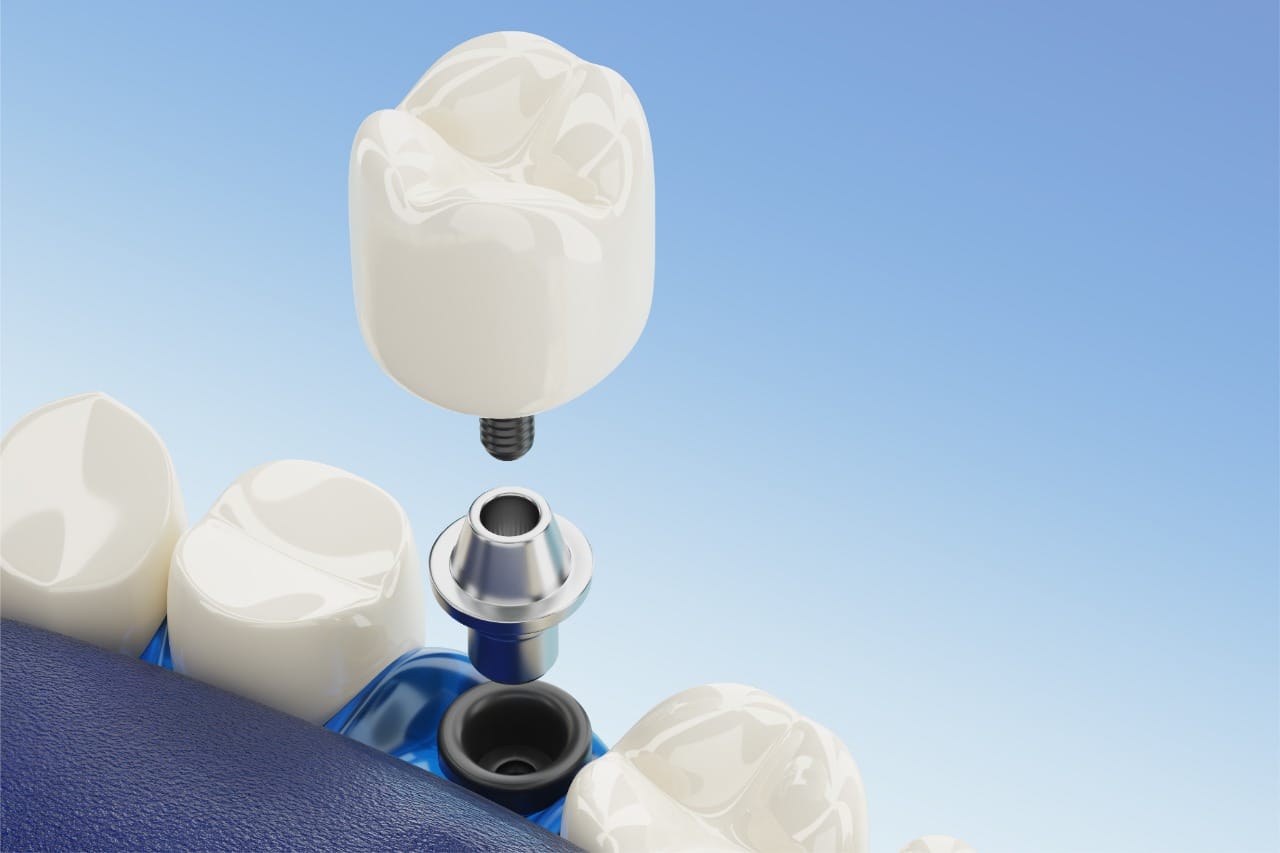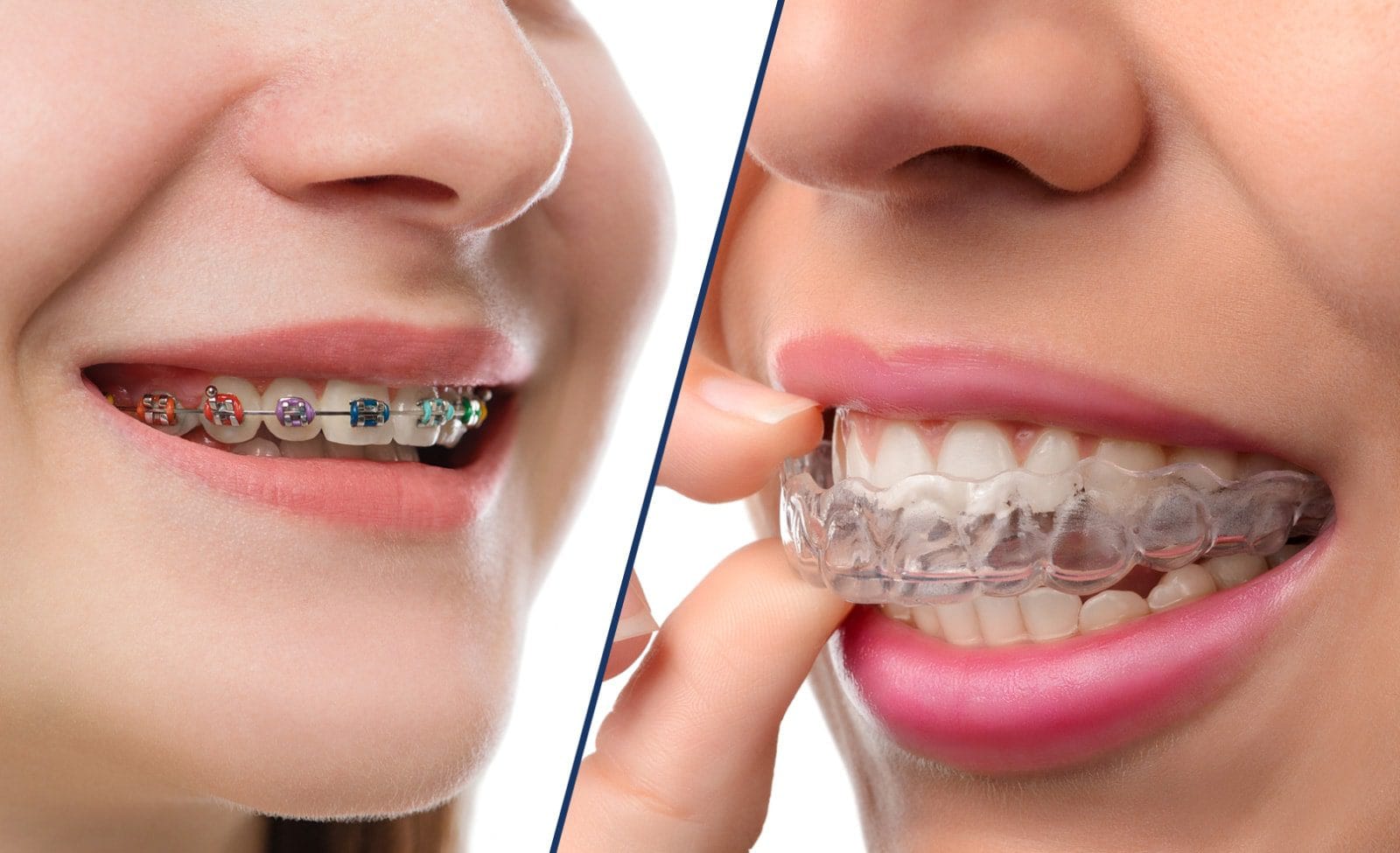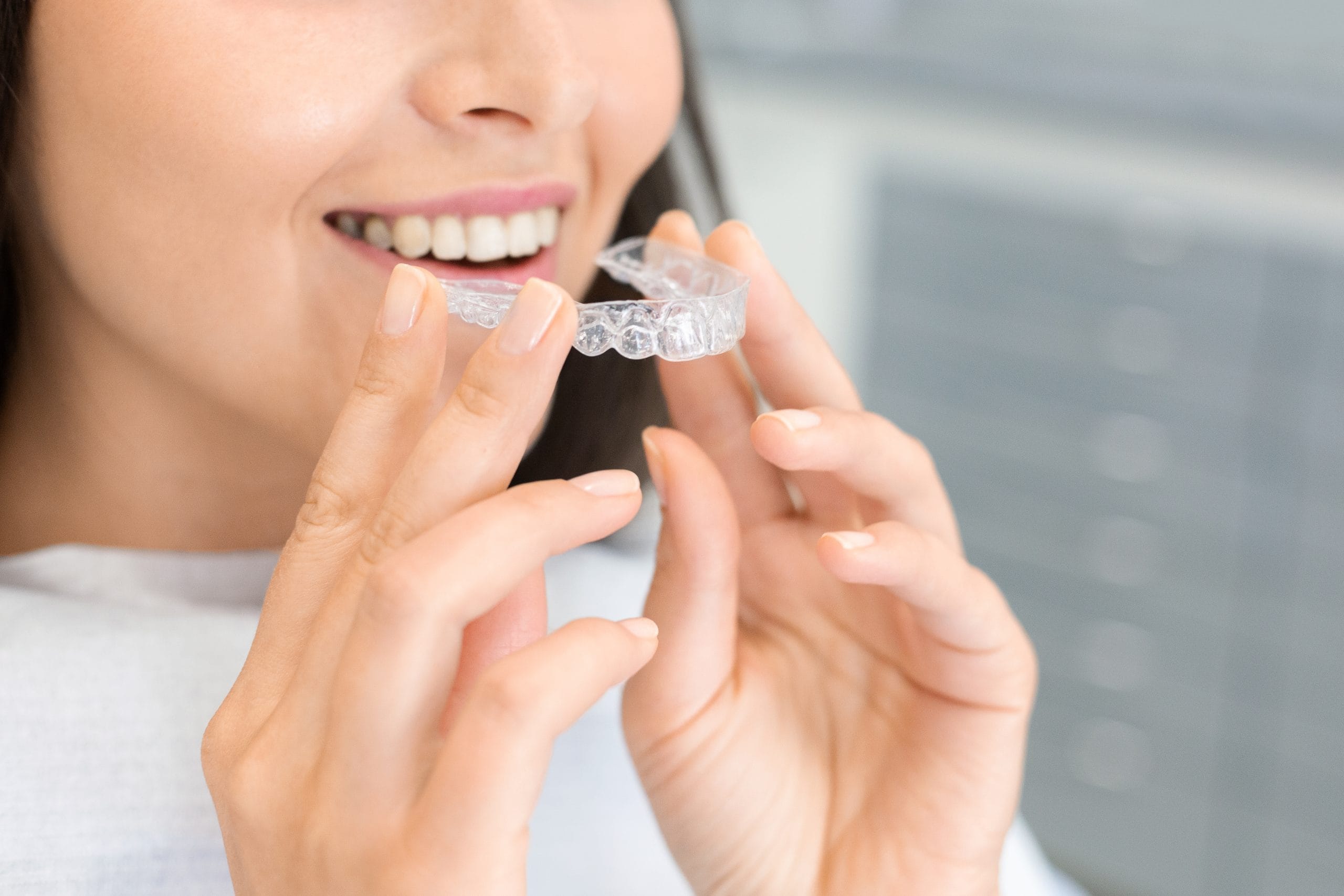
Clear aligners work by moving your teeth into a straighter position using a series of custom-made, transparent plastic trays that apply gentle, calculated pressure over time, with each tray shifting the teeth slightly closer to their final position before you swap to the next one in the set. If you have been searching for a discreet way to fix crooked teeth without the look of metal brackets, this is the treatment most people are actually asking about when they search for “invisible braces”. At Enlight Dental in Kota Kinabalu, clear aligners are part of our full orthodontic treatment options in Kota Kinabalu, and this guide walks you through exactly how they do their job, from the first scan to the day you finally get to show off your new smile.
What Are Clear Aligners, Really?
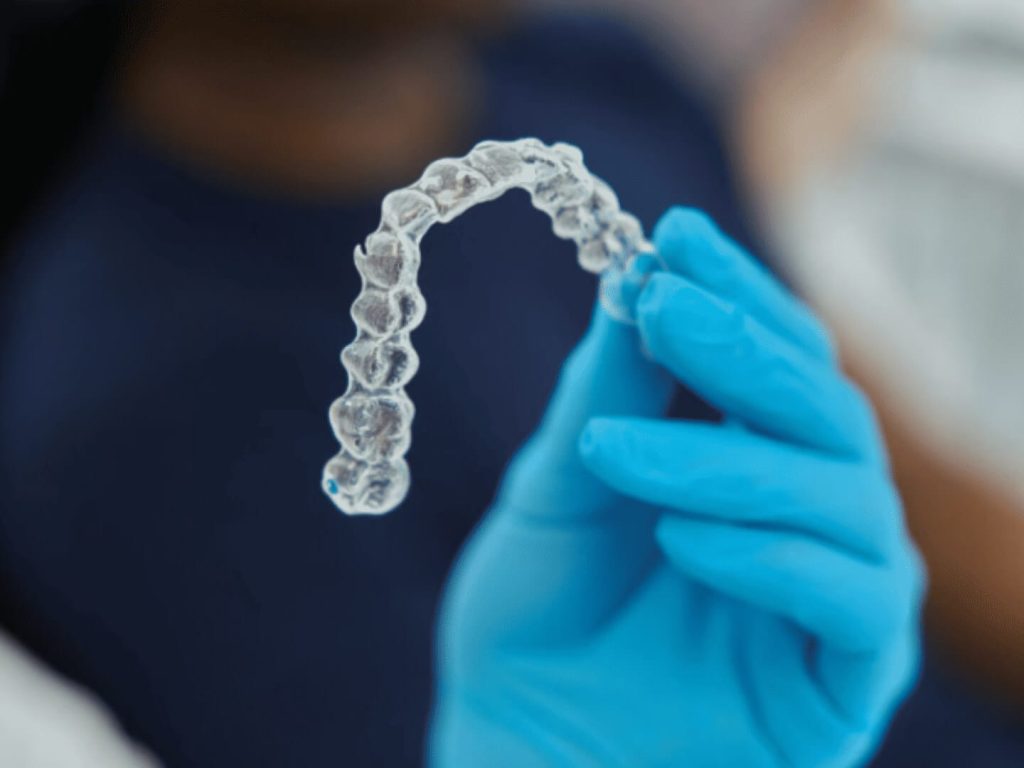
Clear aligners are thin, see-through trays moulded to fit snugly over your teeth. Think of them as a precisely engineered mouthguard, except instead of protecting your teeth, each tray is designed to push them a fraction of a millimetre in a specific direction.
You may know them by brand names. Invisalign is the most recognised name in Malaysia, and Angel Aligners has grown popular here too, both of which we work with at our clinic. The technology behind all of them is the same core idea. Rather than one appliance that gets tightened every few weeks like traditional braces, you receive a full series of trays upfront or in stages, and you progress through them one by one at home.
The appeal is obvious. They are nearly invisible, you can take them out to eat, and there are no wires poking the inside of your cheek. But the “invisible” part is only half the story. The real magic is in how the movement is planned.
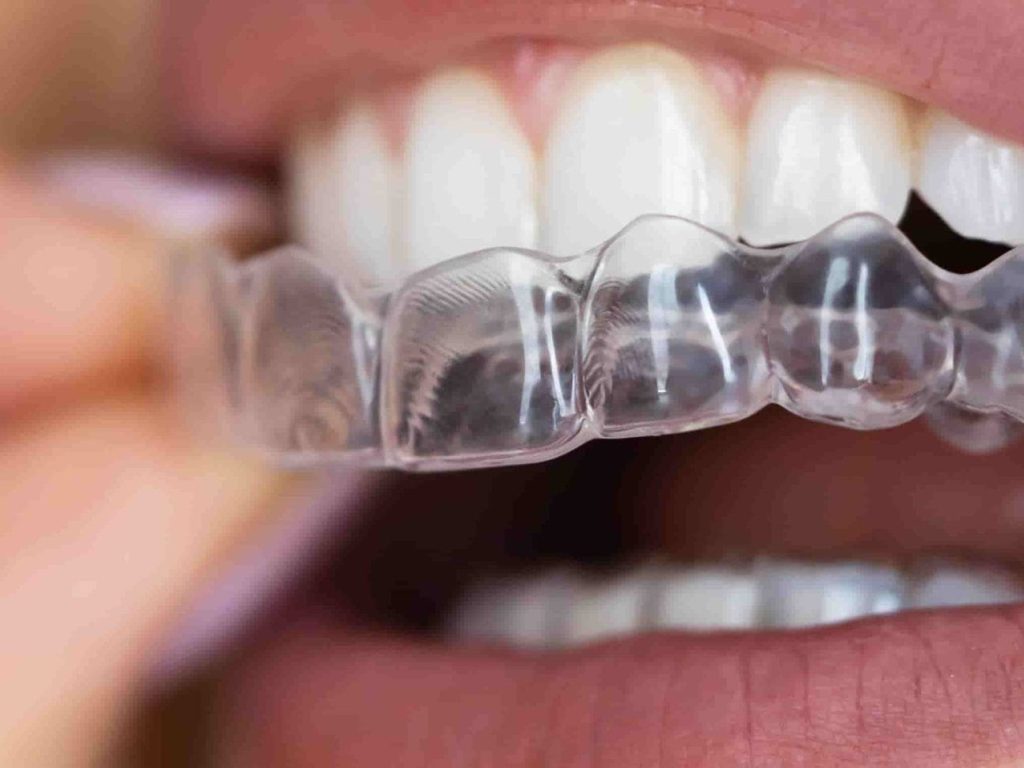
How Do Clear Aligners Work Step by Step?
The short answer is that clear aligners work through a sequence of small, controlled tooth movements, each one mapped out by a dentist before you ever put a tray in your mouth. Here is what that sequence actually looks like from start to finish.
Step One: The Consultation and Digital Scan
Everything begins with an assessment. A dentist checks whether your case is actually suited to aligners, because not every alignment problem can be solved this way. Mild to moderate crowding, spacing, and minor bite issues respond well. More severe cases sometimes still need conventional braces, and an honest clinic will tell you that upfront.
If you are a good candidate, the next part is a digital scan. Instead of the old goopy putty impressions, we use an intraoral scanner that builds a 3D model of your teeth in minutes. This scan becomes the blueprint for your entire treatment.
Step Two: The Treatment Plan and 3D Preview
This is where the planning happens. Using the scan, your dentist maps out every movement your teeth need to make and in what order. Software then simulates the journey, showing where each tooth starts and where it will end up.
One genuinely satisfying part of this stage is that many patients get to preview the final result before committing. You can essentially see a projection of your future smile, which makes the decision a lot easier when you know what you are working towards.
Step Three: Your Custom Aligners Are Manufactured
Once the plan is approved, your trays are manufactured. Each aligner in the series is slightly different from the last, because each one is built to hold your teeth in the position they should reach after roughly one to two weeks of wear.
A typical treatment involves anywhere from ten to forty-plus trays depending on how much movement is needed. You do not get them tightened. You simply graduate to the next tray in the set on schedule.
Step Four: Wearing Them, and the 22-Hour Rule
Here is the part that decides whether your treatment succeeds or drags on. Clear aligners only work if you wear them, and the standard guidance is 20 to 22 hours a day. That means they stay in for everything except eating, drinking anything other than plain water, and brushing.
Each set is worn for the prescribed period, usually one to two weeks, before you move to the next. The gentle pressure from each tray guides your teeth along the planned path. Skip wearing them and the teeth simply do not track the way the plan intended, which is the most common reason treatments stall.
Step Five: Check-Ins and Refinements
You will still see your dentist periodically, though far less often than with metal braces. These visits confirm your teeth are moving as predicted and let us catch any tray that is not seating properly.
Sometimes at the end, a few teeth need a little extra nudging. This is normal and is handled with a short set of refinement aligners. It is not a sign that anything went wrong, it is simply fine-tuning.
Step Six: Retainers to Hold the Result
The last step is the one people forget about, and it is the most important for keeping your results. Once your teeth are in their final position, they want to drift back. A retainer holds them in place while the surrounding bone stabilises around the new alignment.
Wear your retainer as instructed and your straight teeth stay straight. Ignore it and months of treatment can slowly unravel, which would be a genuine waste of the effort and cost you put in.
Angel Aligners and Invisalign in Malaysia: What Is the Difference?
When people research clear aligners in Malaysia, two names come up again and again, and we work with both at our clinic. They share the same underlying principle of moving teeth through a series of custom trays, but there are practical differences worth understanding before you decide.
Invisalign
Invisalign is the most established aligner brand in the world and the name most Malaysians recognise first. It has the longest clinical track record, a huge library of treated cases behind its planning software, and a reputation built over decades. That maturity is part of why many patients specifically ask for it. For a wide range of cases, from mild crowding to more involved corrections, Invisalign remains a dependable and well-proven choice, and it is available right here in Kota Kinabalu through our clinic.
Angel Aligners
Angel Aligners have grown quickly across Asia and Malaysia in recent years, and for good reason. It uses its own aligner material engineered for a comfortable, consistent fit, and it frequently comes in at a more accessible price point than Invisalign for comparable cases. For patients who want a genuinely capable aligner system without the premium brand cost, Angel Aligners is often the sweet spot, which is why we offer it alongside Invisalign rather than pushing everyone towards a single brand.
Which One Is Right for You?
The honest answer is that the better system depends on your specific case, not on the logo. During your consultation we look at how much movement your teeth need, your budget, and your preferences, then recommend the brand that genuinely fits. Because we work with both Angel Aligners and Invisalign, our advice is not tied to whichever product we happen to stock. That neutrality is the whole point of seeing a dentist rather than ordering online.
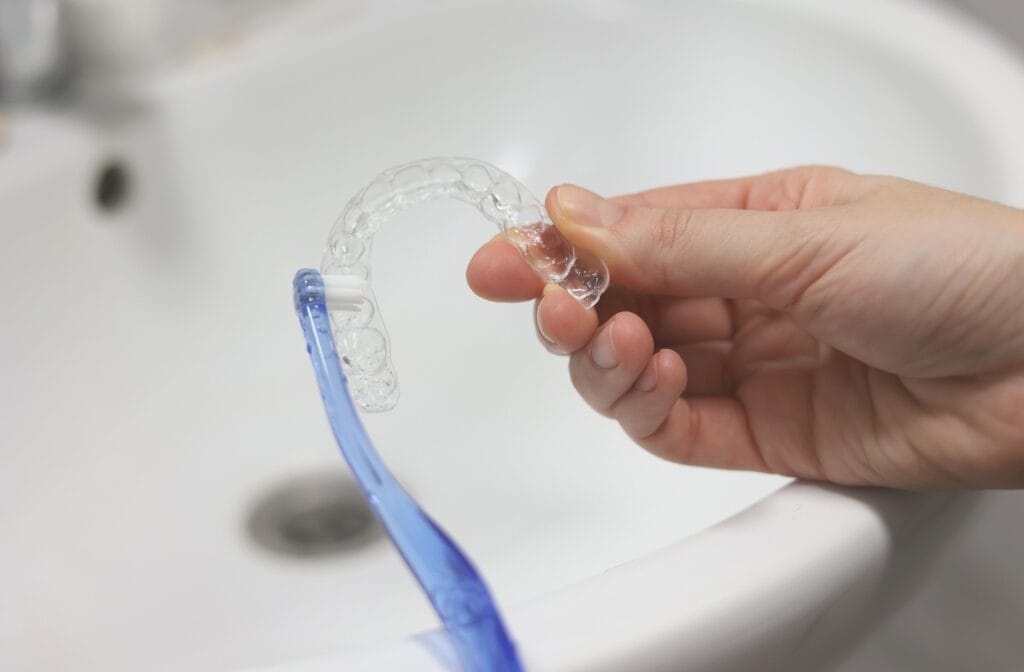
How to Clean Clear Aligners Without Ruining Them
Because aligners sit against your teeth for most of the day, hygiene matters more than people expect. Neglected trays turn cloudy, start to smell, and can trap bacteria against your teeth.
- Rinse them every time you take them out.
- Gently brush them with a soft toothbrush and clear, unscented soap rather than toothpaste, since abrasive toothpaste scratches the plastic and those scratches make trays look foggy.
- Avoid hot water completely, because heat warps the plastic and a warped tray no longer fits the plan.
- Once a day, give them a proper soak using the cleaning crystals or tablets designed for aligners.
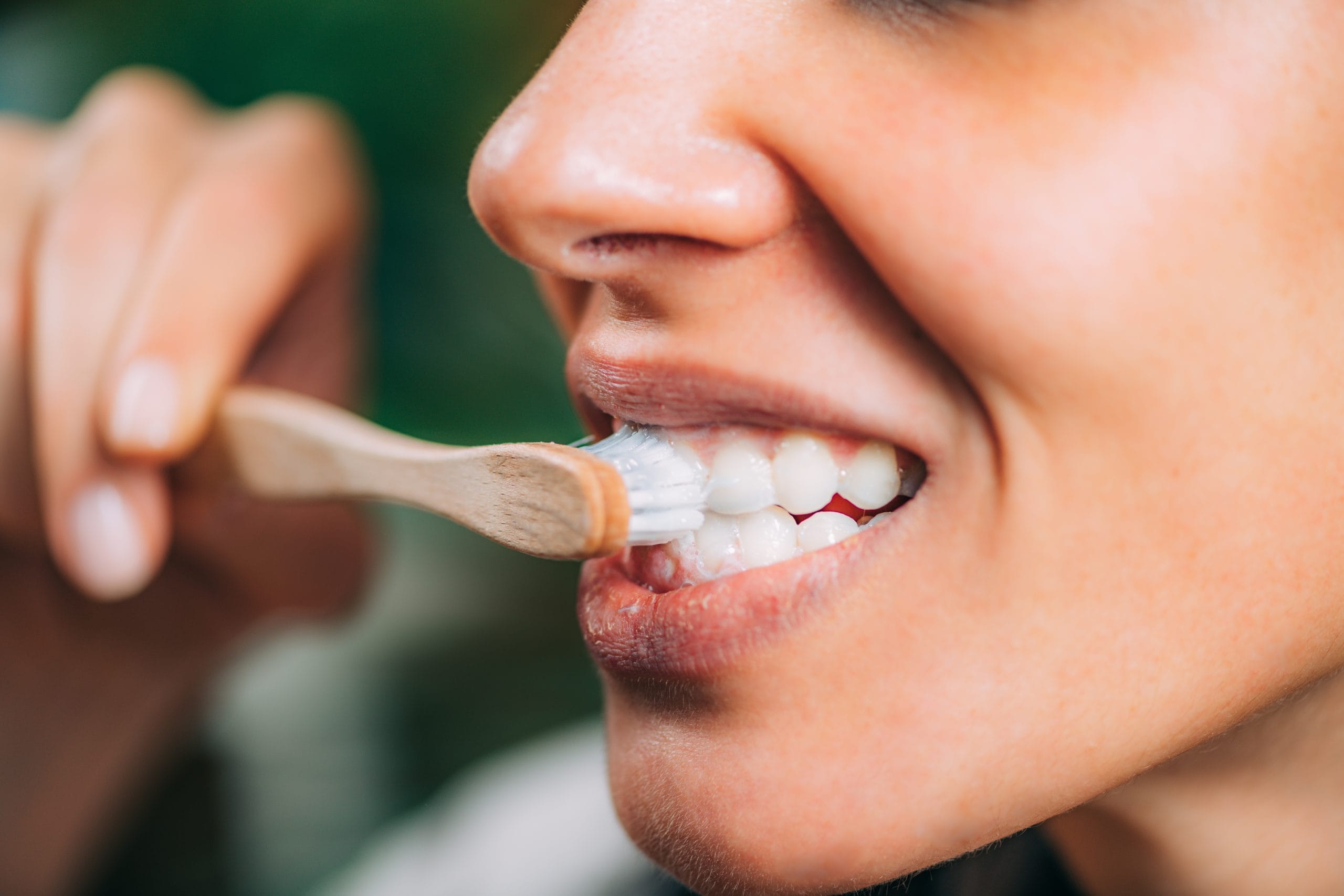
- Always brush your own teeth before popping the trays back in, otherwise you are effectively sealing food and sugar against your enamel for hours. The same careful technique you would use when brushing teeth with braces applies here, so clean thoroughly before every reinsertion.
Frequently Asked Questions
How long does clear aligner treatment take?
Most clear aligner treatments take between six and eighteen months, though it varies with the complexity of your case. Simple cosmetic corrections can finish faster, while cases involving more movement take longer. Your dentist gives you a realistic timeline after reviewing your scan.
Are clear aligners painful?
You will feel mild pressure or tightness for the first day or two after switching to a new tray, which is simply the sign that your teeth are moving. It is not sharp pain, and it fades quickly. Most people find it far more comfortable than the poking wires of traditional braces.
Can I eat with clear aligners on?
No, you should remove your aligners before eating or drinking anything other than plain water. Eating with them can stain and damage the trays, and drinks like coffee or tea will discolour them. Always brush before putting them back in.
Are Invisalign and Angel Aligners available in Malaysia?
Yes, both Invisalign and Angel Aligners are widely available in Malaysia, including here in Kota Kinabalu. At Enlight Dental we work with recognised aligner systems and match the right one to your specific case during consultation.
Do clear aligners work as well as braces?
For mild to moderate alignment issues, clear aligners work just as effectively as braces when worn consistently for the recommended 20 to 22 hours a day. For severe or complex cases, traditional braces may still be the better option, which your dentist will advise on.
How much do clear aligners cost in Kota Kinabalu?
Cost depends on the complexity of your case and the number of trays required, so there is no single fixed price. The most accurate way to get a figure is a consultation and scan, after which you receive a clear treatment plan and quote, often with instalment options available.
Ready to Start Your Clear Aligner Journey?
Straighter teeth without the wires are closer than you think. Book a consultation with our team at Enlight Dental in Kota Kinabalu, get your digital scan, and preview the smile you have been putting off. Book your appointment today and let us map out a plan that actually fits your life.