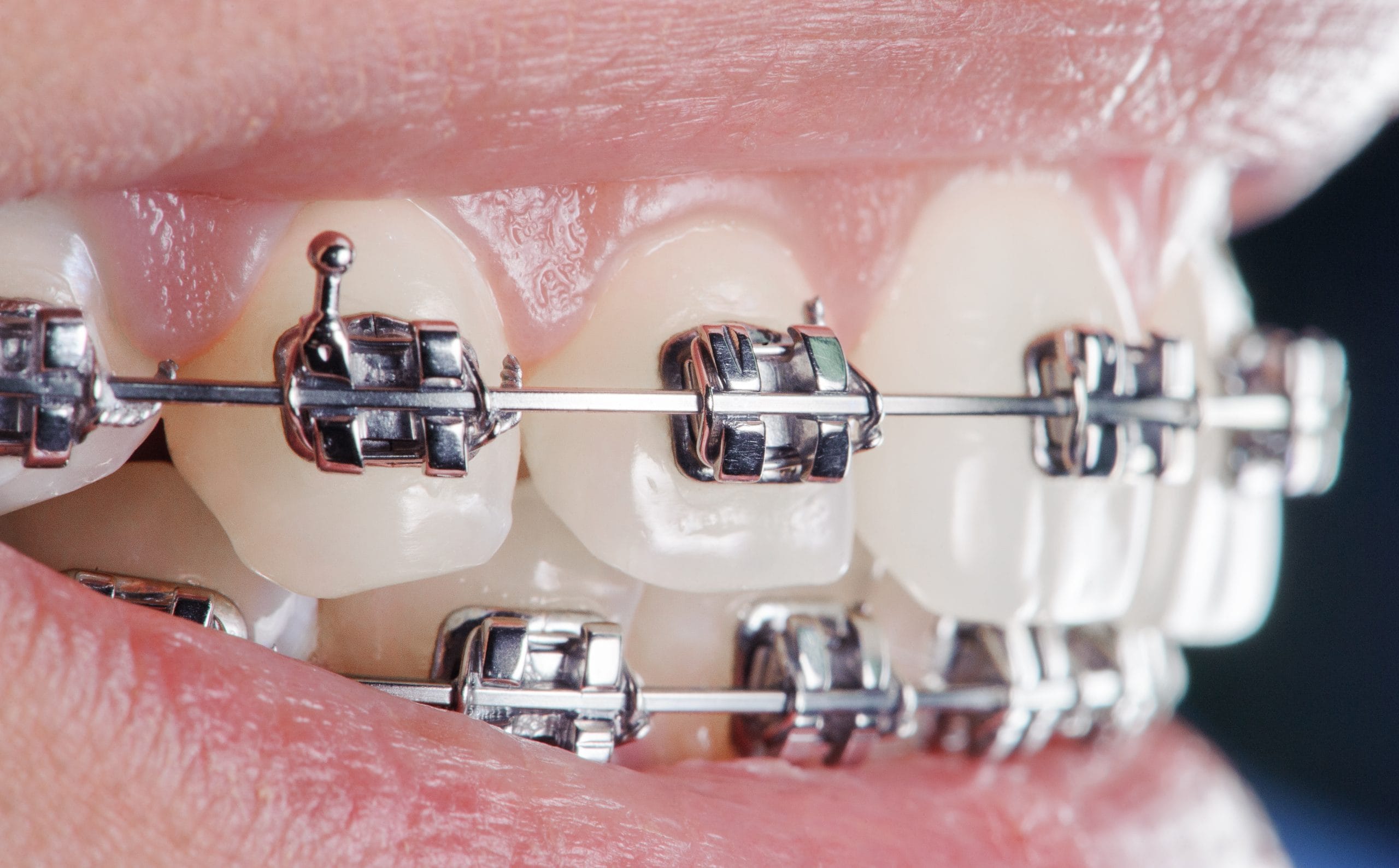
The right type of braces for your teeth depends on three things: how severe your misalignment is, how visible you want the treatment to be, and how much control you want over comfort and appointment frequency. For most people in Kota Kinabalu, the decision comes down to four options that a dentist will walk you through: metal braces, ceramic braces, self-ligating braces, and clear aligners. Each fixes crooked teeth, gaps, and bite problems, but they do it at different speeds, price points, and levels of discretion.
Getting braces is a two-year commitment on average, so choosing the wrong system because it looked cheaper or prettier at the start is a mistake worth avoiding. Before you book anything, it helps to understand what actually separates one type from another, and which type of teeth problems each one is built to solve. If you already know you want a proper assessment, you can look into orthodontic treatment in Kota Kinabalu to see what a full consultation covers. This guide breaks down every option in plain terms so you walk into that appointment knowing what to ask.
What Are The Main Types Of Braces?
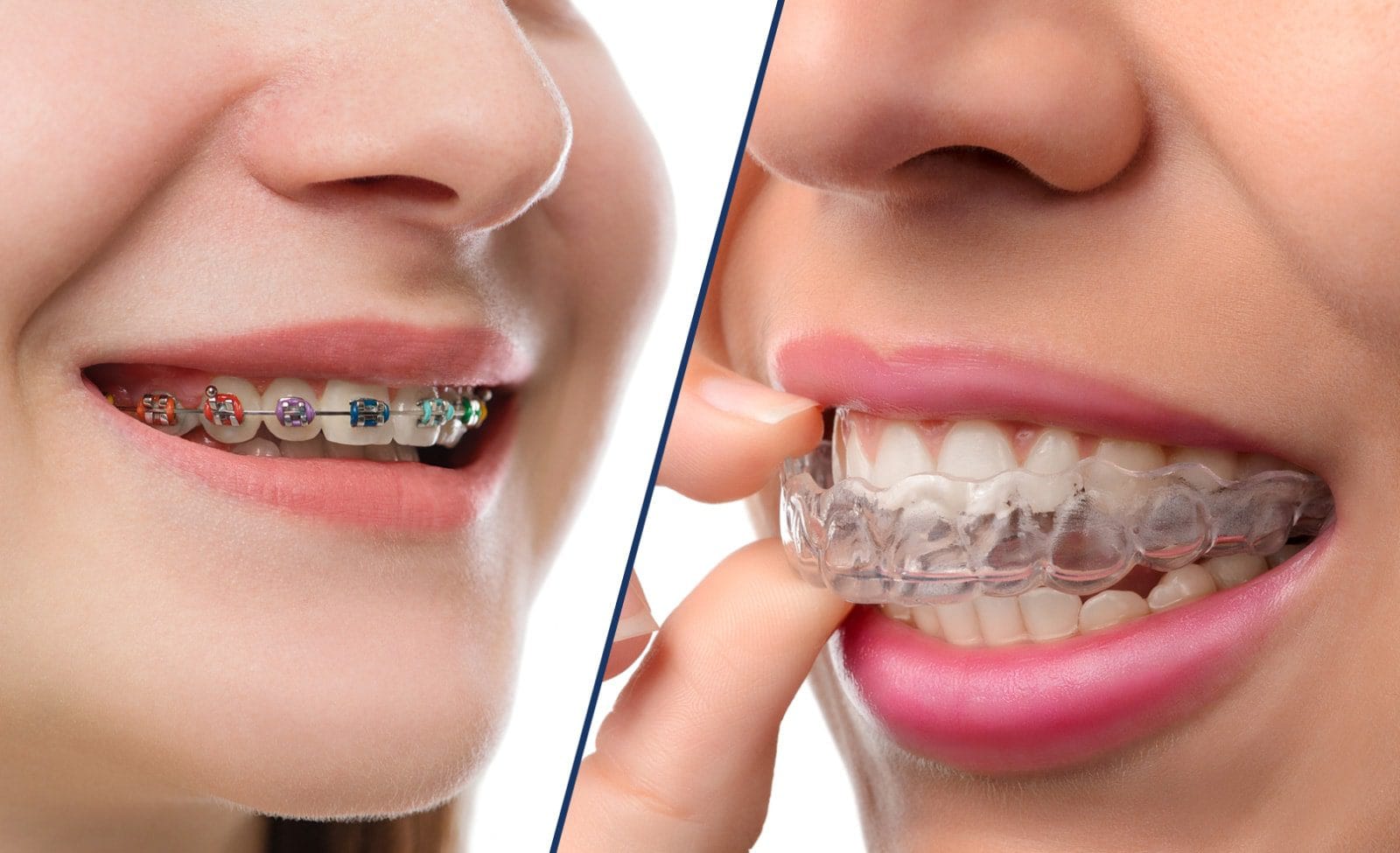
There are four main types of braces used in modern orthodontics: traditional metal braces, ceramic braces, self-ligating braces, and clear aligners. The first three are “fixed” appliances, meaning brackets and wires are bonded to your teeth and stay on until treatment ends. Clear aligners are removable trays you swap out every couple of weeks.
That single difference, fixed versus removable, shapes almost everything else about the experience. Fixed braces work continuously without any effort from you. Removable aligners rely on your discipline to wear them long enough each day. Neither is automatically better. The best fit depends on your case and your habits, which is exactly why an in-person exam matters more
Metal Braces: The Workhorse For Complex Cases
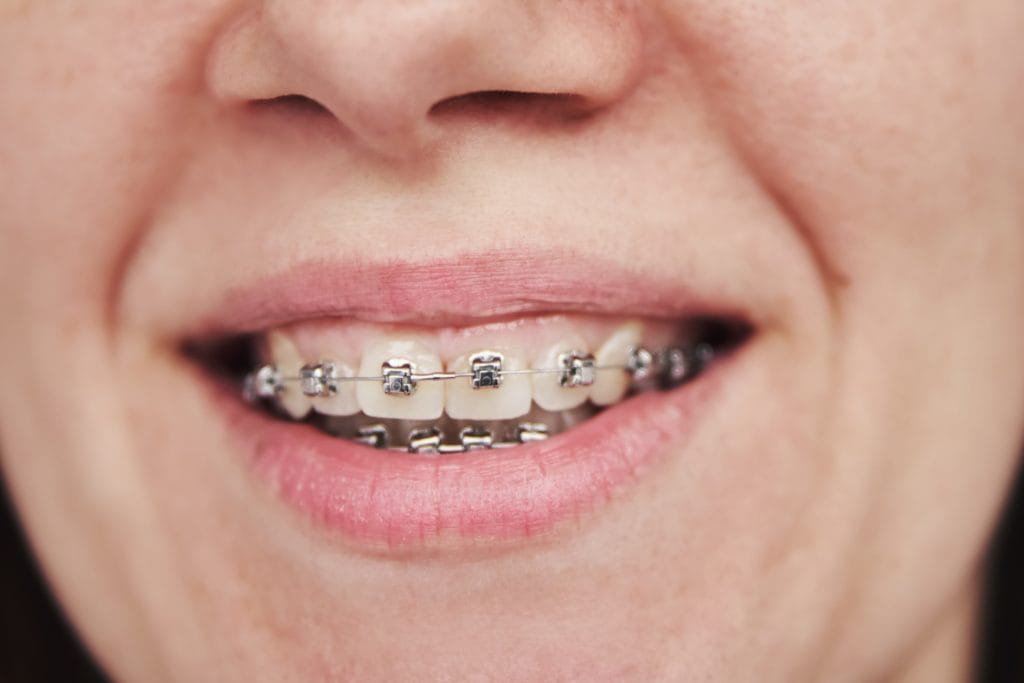
Metal braces are the most familiar option, and they remain the most dependable for serious alignment problems. Made from stainless steel brackets connected by an archwire, they apply steady pressure that shifts teeth into position over time. When people picture braces, this is usually what they see.
Why Metal Braces Still Lead For Severe Misalignment
If your teeth are badly crowded, rotated, or your bite is significantly off, metal braces give the orthodontist the most direct control. The rigid bracket-and-wire setup handles heavy tooth movement that gentler systems struggle with. For deep overbites, underbites, or cases where teeth need to travel a long way, this is often the first recommendation.
They are also the most cost-effective route, which matters when treatment runs a year or more. The trade-off is visibility. Metal shows when you smile, and for some adults that is a dealbreaker. For teenagers, though, coloured elastic ties have turned this into a feature rather than a flaw.
Who Metal Braces Suit Best
Metal braces work well for teens and adults with moderate to severe issues who are less concerned about appearance and more focused on results and value. If function and correction are your priorities over subtlety, this is a solid, proven starting point.
Ceramic Braces: Discreet Without Losing Strength
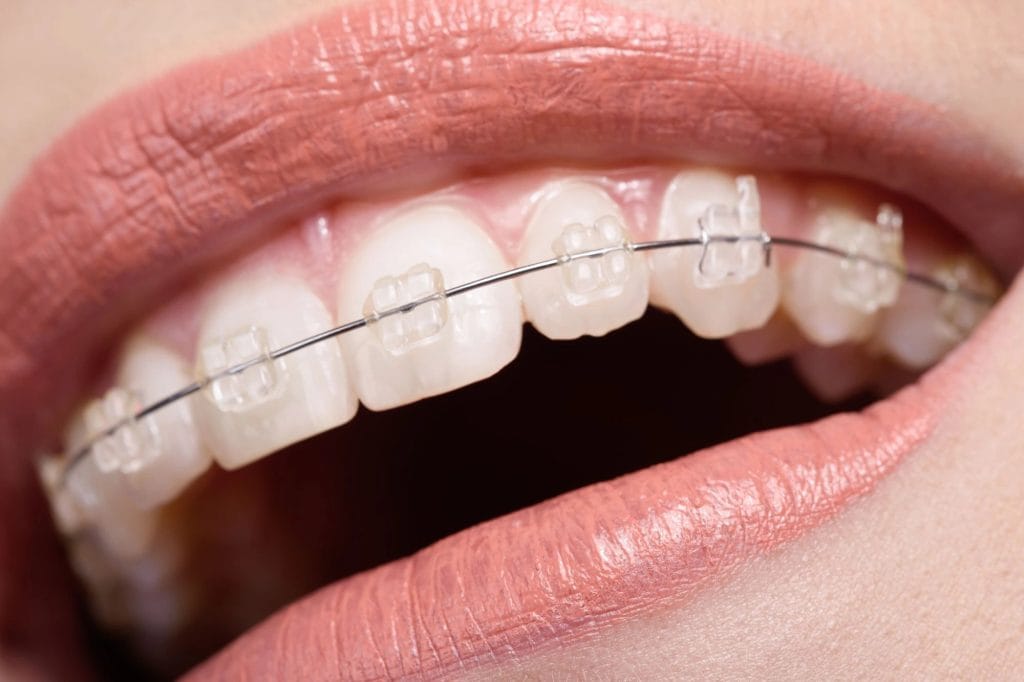
Ceramic braces do the same job as metal ones but swap the shiny brackets for clear or tooth-coloured ones. From a short distance, they are far harder to spot. This makes them a popular middle ground for people who want fixed braces but not the full metal look.
How Ceramic Braces Balance Looks And Results
Because the mechanics are almost identical to metal braces, ceramic braces can handle a similar range of corrections. The brackets blend into your natural tooth colour, so photos and face-to-face conversations feel less self-conscious. For working adults who spend their day in meetings or client-facing roles, that discretion is worth a lot.
There are two things to weigh. Ceramic brackets are slightly more fragile than metal, and the clear ties can stain if you drink a lot of coffee, tea, or turmeric-heavy food, though these are replaced at every adjustment. Treatment can also run marginally longer and cost a bit more than standard metal.
Who Ceramic Braces Suit Best
Ceramic braces are ideal for adults and older teens who need real correction but want it to stay low-key. If you like the reliability of fixed braces but dread the metallic smile, this is the natural compromise.
Self-Ligating Braces: Less Friction, Fewer Visits
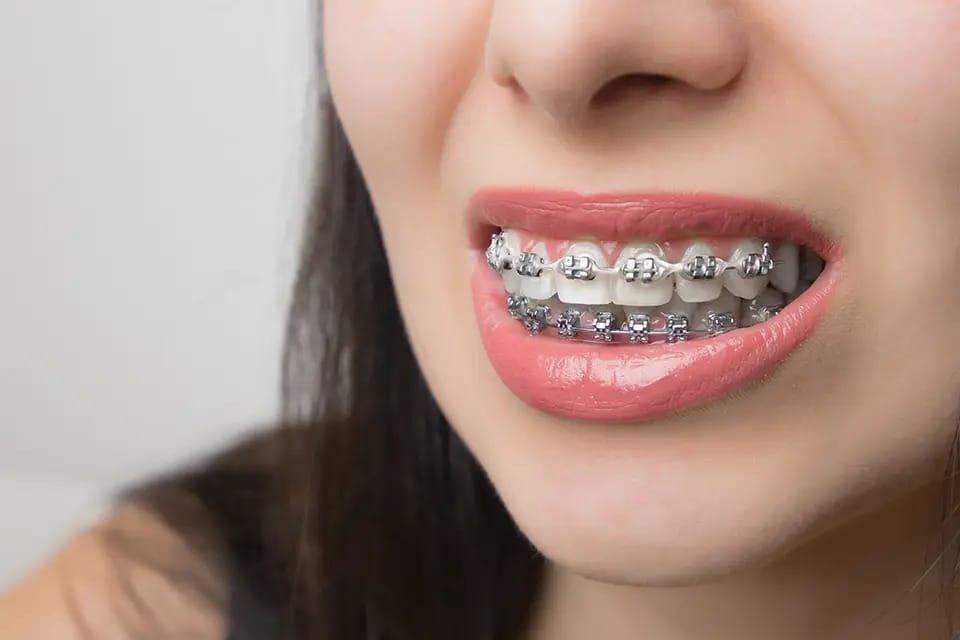
Self-ligating braces look similar to metal or ceramic braces but work differently under the hood. Instead of elastic ties holding the wire in place, they use a small built-in clip or “gate” on each bracket. That design change has real consequences for comfort and appointment frequency.
Why The Clip System Makes A Difference
Because there are no elastic ties, the wire slides more freely and creates less friction as your teeth move. Many patients find adjustments feel gentler, and because the brackets do not need re-tying, check-ups can be quicker and sometimes spaced further apart. For anyone juggling work and family in a busy city, fewer and shorter visits is a genuine perk.
Self-ligating systems, including well-known Damon braces, are available in both metal and clear versions, so you are not forced to trade discretion for the technology. The main consideration is cost, as the specialised brackets usually sit above standard metal pricing.
Who Self-Ligating Braces Suit Best
These braces suit patients who want a more comfortable ride and value their time, particularly those who cannot commit to frequent clinic visits. If convenience and reduced soreness rank high on your list, self-ligating braces are worth asking about.
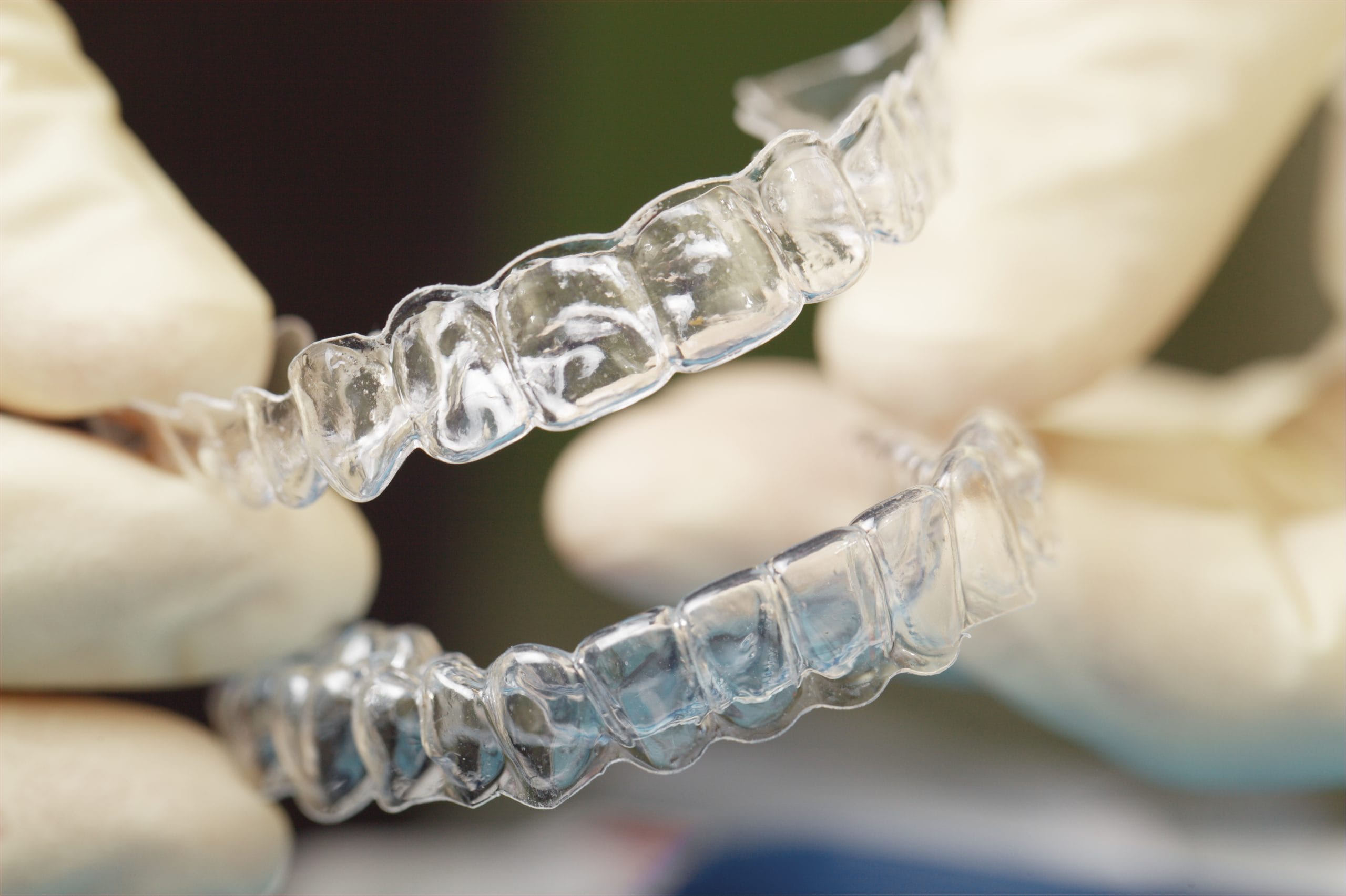
Clear Aligners: Nearly Invisible And Removable
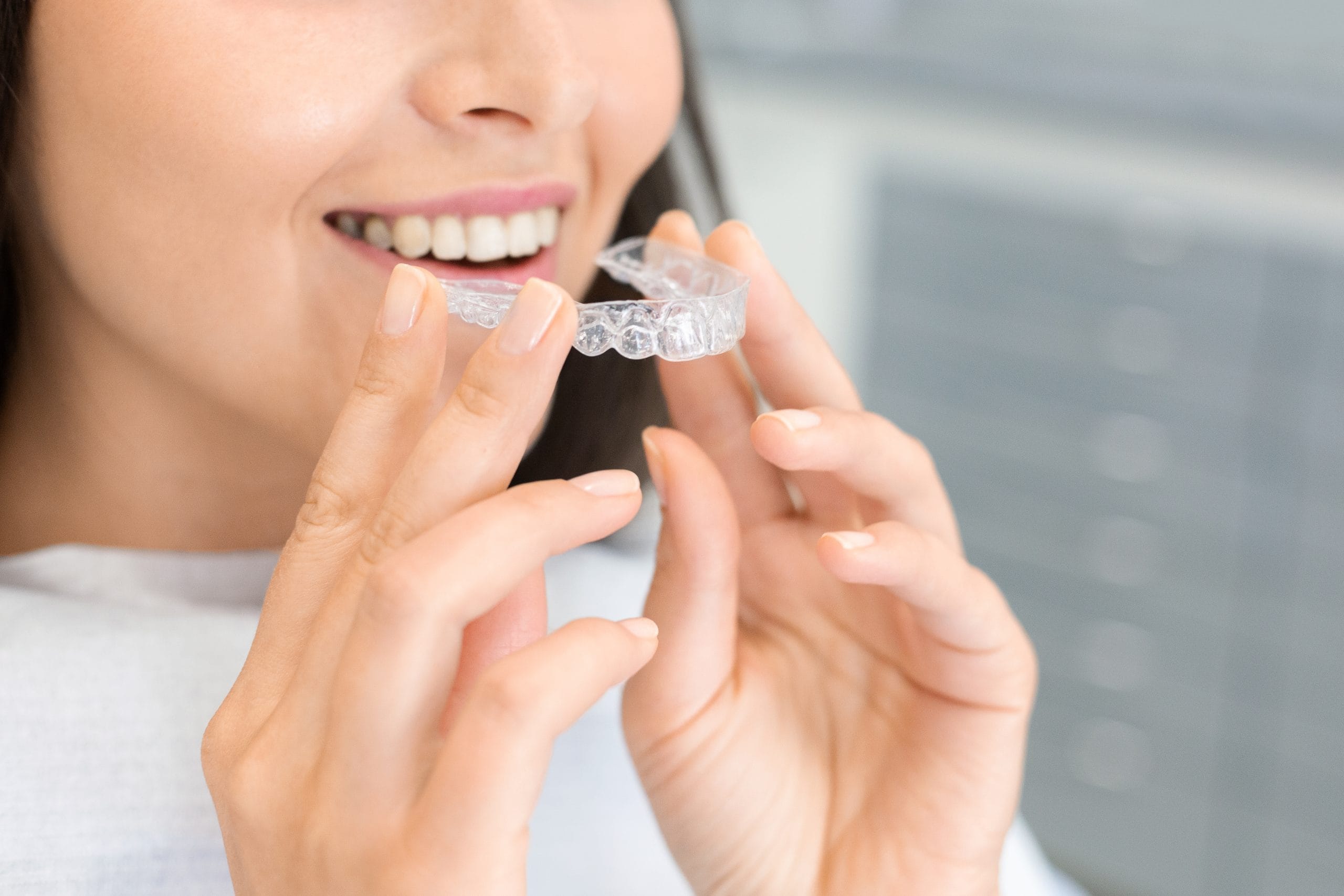
Clear aligners, the category that includes brands like Invisalign and Angel Aligner, are a completely different approach to straightening teeth. Instead of brackets and wires, you wear a series of custom-made transparent trays. Each tray nudges your teeth a little closer to the target, and you switch to the next set every one to two weeks.
The Real Appeal Of Going Wire-Free
The obvious draw is that aligners are almost invisible. Most people will not notice you are wearing them. They are also removable, so you take them out to eat, brush, and floss normally, which means no food restrictions and easier oral hygiene than fixed braces allow.
That freedom comes with a catch. Aligners only work if you wear them 20 to 22 hours a day. Take them out too often and treatment stalls. They also work best on mild to moderate cases; very complex bite problems may still need fixed braces to get the result you want. Honesty with yourself about discipline is the deciding factor here.
Who Clear Aligners Suit Best
Clear aligners are best for adults and responsible teens with mild to moderate misalignment who want maximum discretion and are disciplined enough to keep the trays in. If your case is straightforward and appearance matters most, aligners are a strong choice.
Matching Braces To Your Type Of Teeth Problem
Choosing braces is not only about looks. It is about which system solves your specific issue. Crooked or overlapping teeth, gaps and spacing, overbites, underbites, crossbites, and difficulty chewing all respond differently to each type.
Severe crowding and major bite corrections usually point toward metal or self-ligating braces because they move teeth with more force and control. Mild spacing or slightly crooked front teeth can often be handled beautifully by clear aligners. Ceramic braces cover much of the middle ground for people who want fixed correction with less visibility. This is why a proper diagnosis comes before any decision. The list of conditions that braces can correct is broad, and only an exam can match your teeth to the right appliance.
Why A Consultation Beats Guessing
No blog can tell you exactly which braces you need, because that answer lives in your mouth. X-rays, scans, and a physical exam reveal things you cannot see in the mirror, such as root position, jaw relationship, and hidden crowding. A guess based on price or appearance alone often leads to slower results or a system that cannot do the job.
A good orthodontic assessment also covers the practical side: treatment length, payment plans, and what daily life with your chosen braces will look like. Many clinics, including those offering orthodontics in Kota Kinabalu, provide instalment options that make the better-suited treatment more affordable than you might expect. The goal is the right result, not the cheapest bracket.
Frequently Asked Questions
Which type of braces is the fastest?
Speed depends more on your case than the braces themselves. That said, self-ligating braces and metal braces often move teeth efficiently for complex cases, while clear aligners can be quick for mild issues if worn consistently. Your orthodontist will give a realistic timeline after examining your teeth.
Are clear aligners as effective as metal braces?
For mild to moderate misalignment, clear aligners can be just as effective, provided you wear them 20 to 22 hours daily. For severe crowding or major bite problems, fixed braces like metal or self-ligating systems usually deliver more reliable results.
Do ceramic braces stain easily?
The ceramic brackets themselves resist staining, but the clear elastic ties holding the wire can discolour with coffee, tea, or strongly coloured food. These ties are replaced at every adjustment visit, so any staining is temporary.
Can adults get braces, or is it only for teenagers?
Adults absolutely can get braces, and many do. There is no upper age limit for orthodontic treatment as long as your teeth and gums are healthy. Ceramic braces and clear aligners are especially popular with adults who want discreet correction.
Ready To Find Your Right Fit?
Choosing the right braces starts with understanding your own teeth, and that begins with a proper look from an experienced team. Whether metal, ceramic, self-ligating, or clear aligners turn out to be your match, the smartest move is an assessment that maps the treatment to your actual needs.
Book a consultation with the team at Enlight Dental in Damai, Kota Kinabalu, and get a clear, personalised plan for your smile. Get in touch to start your braces journey today.